

Can You Sleep with Contact Lenses? Everything You Need to Know
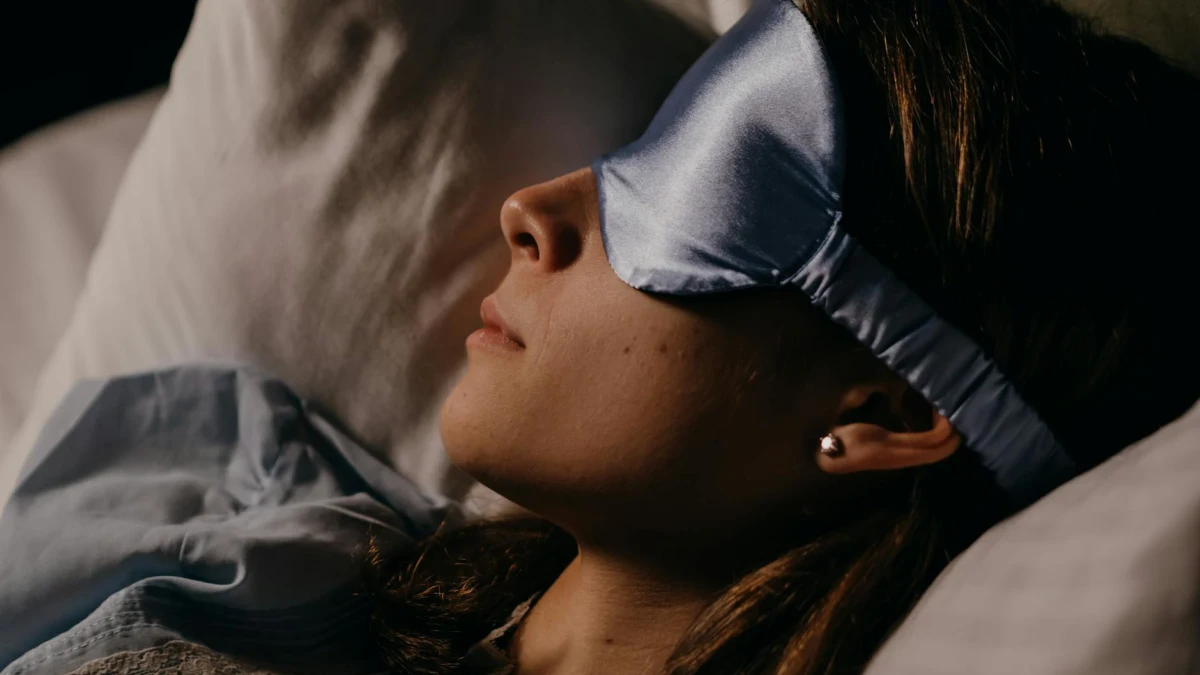
Have you ever fallen asleep wearing contact lenses? You're definitely not alone. It happens to many people, especially at the end of a long and exhausting day. But the truth is, it's one of the most dangerous habits for your eye health. At Pansai Look, we believe that comfort and style should go hand in hand with safety. Healthy eyes are the foundation for good vision and maximum comfort, and sleeping with contact lenses can damage them significantly. So let's talk openly: why is it so dangerous and how can we best protect our eyes?
Why Is It Not Allowed to Sleep with Contact Lenses?
Our eyes need oxygen, just like any other organ in the body. The cornea, which is the transparent front part of the eye, gets its oxygen directly from the air, not from blood vessels. When you put on contact lenses, they create a small barrier between the cornea and the air. During the day, this is usually fine because the eye is open and manages to get enough oxygen. But when we sleep, our eyelids close, which further reduces oxygen flow to the cornea. In short, contact lenses while sleeping choke the eye.
Chronic oxygen deprivation (called hypoxia) weakens the cornea and makes it more vulnerable. It also disrupts its ability to fight bacteria and other contaminants. When you add to this the fact that contact lenses can accumulate dirt and bacteria during the day, you get a recipe for trouble. All of this directly damages your eye health.
So What Happens When You Fall Asleep with Lenses? The Main Risks
Fell asleep with contact lenses? The risk of developing eye problems jumps dramatically. Here are some things it's important to know about:
Eye Infections
This is the biggest risk. When there isn't enough oxygen, and the eye is closed and warm, it creates a perfect environment for bacteria and other contaminants to thrive. Corneal infections (keratitis) can be very painful and require urgent medical eye care. In severe cases, they can even lead to corneal scarring and vision loss. It should be noted that the risk of a serious infection increases 6 to 8 times in people who sleep with contact lenses, according to research.
Dryness and Irritation
The truth is that contact lenses absorb some of the eye's natural moisture. When you sleep with them, the eye cannot produce enough tears to compensate for this, and it becomes very dry. The result? A feeling of itching, burning, redness, and a feeling of 'sand' in the eyes. This is not a pleasant experience at all, and can make wearing contact lenses less comfortable in general. If you already suffer from dry eyes, sleeping with lenses will only make the situation worse.
Corneal Damage
Oxygen deprivation and dryness make the cornea more sensitive. It can swell, develop small scratches (even from dryness or friction from the lens), and in some cases, blood vessels can start to grow into it in an attempt to supply oxygen. The growth of blood vessels into the cornea is an abnormal condition that can affect its transparency and vision. Eye care in such cases is critical.
What to Do If You Accidentally Fall Asleep with Contact Lenses?
First of all, don't panic. It happens. The most important thing is to act correctly to minimize damage:
1. Remove the lenses gently: Don't try to pull them out right when you wake up. Your eyes are probably very dry, and the lenses may be slightly "stuck." Apply a few drops of saline solution or special eye drops for dry eyes (without preservatives, if possible). Wait a few minutes for the eye to soften and moisten, then remove the lenses with maximum gentleness. If the lens doesn't move easily, don't force it. Apply more drops and wait.
2. Give your eyes rest: After you remove the lenses, don't put them back on the same day. Give your eyes a break of at least 24 hours. Use glasses to allow the cornea to recover and get oxygen. This is an excellent opportunity to prioritize eye health.
3. Watch for signs: If you feel pain, redness that lasts, sensitivity to light, blurred vision, or unusual discharge from the eye – go immediately for an examination with an eye doctor or optometrist. These can be signs of infection or another problem that requires immediate eye care. Remember, timely eye care is key.
How to Prevent It in the Future? Tips for Maintaining Eye Health
The best way to deal with the risks is simply to avoid them. Here are some simple habits that will help you maintain eye health when wearing contact lenses:
Always remove them before sleep: This is the most important rule. Without exception. No matter how tired you are, take a few seconds to remove your contact lenses. If you feel like you might forget, set a reminder on your phone or keep the lens case and solution by your bed.
Be strict about wearing time limits: Most optometrists recommend not wearing contact lenses for more than 10-12 hours a day. Give your eyes a chance to 'breathe' during the day as well. If you're in a dry environment or in front of screens for long hours, you might want to shorten your wearing time. This is an important part of proper eye care.
Consider daily contact lenses: If you tend to fall asleep with lenses, or simply want a more hygienic and convenient solution, daily contact lenses are an excellent option. At the end of the day, you simply throw them away, and there's no need for cleaning or storage. This significantly reduces the risk of infections. At Pansai Look, you'll find a wide range of quality and safe daily contact lenses. For more information about the different types of lenses, you can read our guide: Daily, Monthly, or Yearly Contact Lenses: The Complete Guide to Choosing.
Hygiene is sacred: Always wash your hands thoroughly with soap and water and dry them before touching your eyes or lenses. Use only a dedicated and fresh solution for cleaning and storing lenses (unless you're using daily lenses). Never use tap water! If you use monthly contact lenses, be strict about proper cleaning and maintenance – we have a detailed guide to help you: Cleaning and Storing Monthly Contact Lenses: The Complete Guide.
Listen to your body: If your eyes feel dry, itchy, red, or uncomfortable, remove your lenses and give them a rest. Don't ignore warning signs. Your eye health is the most important thing.
Frequently Asked Questions About Sleeping with Contact Lenses
Are all types of contact lenses dangerous for sleep? Yes, generally speaking, all types of contact lenses that are not specifically designed for continuous sleep wear (Extended Wear lenses) are dangerous for sleep. Even with lenses designed for continuous sleep wear, the risk of infection still exists, so it's important to consult with an eye doctor or optometrist before considering using them this way. For most people, daily contact lenses or regular monthly lenses require removal before sleep.
How long after sleeping with lenses can you put them back on? It's recommended to give your eyes a rest of at least 24 hours after falling asleep with contact lenses. This allows the cornea to recover, get oxygen, and return to normal. If you feel discomfort or see redness, it's better to continue wearing glasses and consult with a professional.
How will I know if the eye was damaged from sleeping with lenses? Watch for signs such as persistent pain, redness that doesn't go away, increased light sensitivity, blurred vision, a feeling of a foreign body in the eye, or unusual discharge. Any of these signs requires immediate examination by an eye doctor or optometrist. Even if there are no serious signs, it's always recommended to ensure that your eye health is normal.
In summary, sleeping with contact lenses is a dangerous habit that can seriously damage your eye health. Strict adherence to usage instructions, proper hygiene, and removing lenses before sleep are the best ways to keep your eyes healthy and happy. Want to know which lenses are best suited for you and your lifestyle, and maintain proper eye care? Take our short fitting quiz!
Links you might find useful
Frequently Asked Questions
Yes, generally speaking, all types of contact lenses that are not specifically designed for continuous sleep wear (Extended Wear lenses) are dangerous for sleep. Even with lenses designed for continuous sleep wear, the risk of infection still exists, so it's important to consult with an eye doctor or optometrist before considering using them this way. For most people, daily contact lenses or regular monthly lenses require removal before sleep.
It's recommended to give your eyes a rest of at least 24 hours after falling asleep with contact lenses. This allows the cornea to recover, get oxygen, and return to normal. If you feel discomfort or see redness, it's better to continue wearing glasses and consult with a professional.
Watch for signs such as persistent pain, redness that doesn't go away, increased light sensitivity, blurred vision, a feeling of a foreign body in the eye, or unusual discharge. Any of these signs requires immediate examination by an eye doctor or optometrist. Even if there are no serious signs, it's always recommended to ensure that your eye health is normal.
Find the Perfect Contact Lenses for You!
Want to know which lenses are best suited for you and your lifestyle, and maintain proper eye care? Answer a few short questions in our fitting quiz.
More Articles Worth Reading
More articles on this topic →
Are Colored Contact Lenses Harmful to Eyes? Everything You Need to Know
Many people ask whether colored contact lenses are safe to use. Here's all the important information that will help you protect your eye health and enjoy a fresh new look safely.
How Long Can You Wear Contact Lenses: The Complete Guide to Eye Health
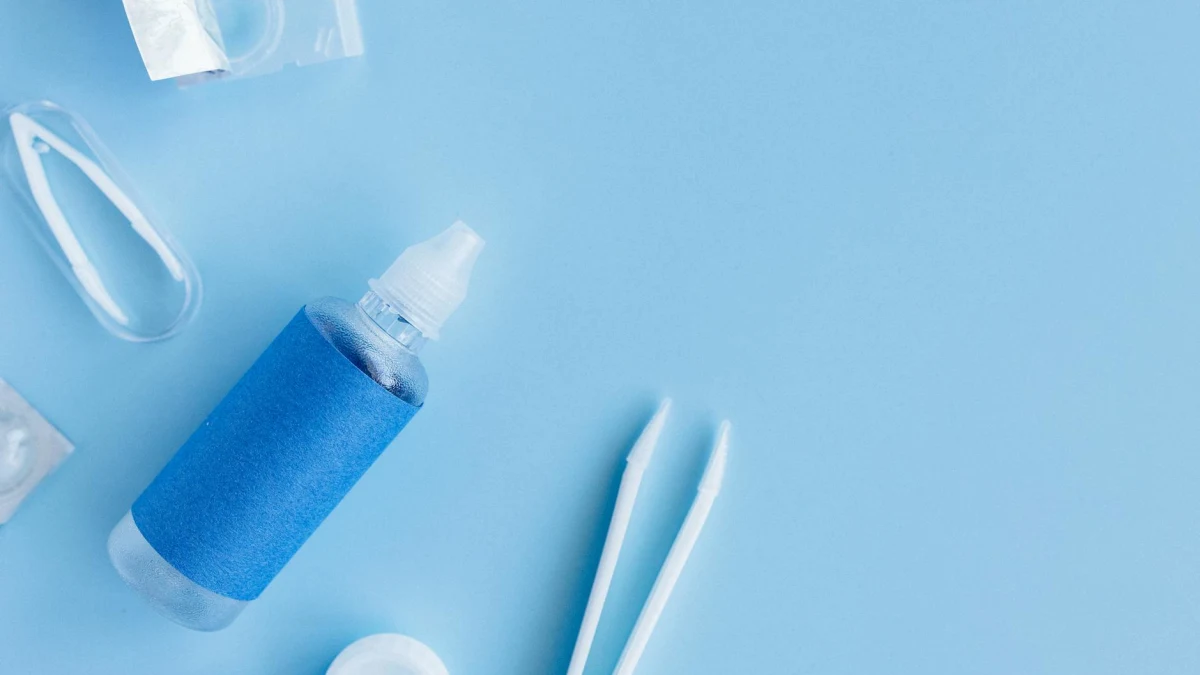
You're putting on contact lenses and want to know how long it's safe to wear them? Maintaining eye health starts with understanding the correct recommendations.
Dangerous Contact: What Happens When You Sleep With Contact Lenses?
We all know the temptation to close our eyes for a few moments with contact lenses on, but do you know what really happens to your eyes when you sleep with contacts? Let's understand together why it's dangerous and how to protect your eye health.
