

Dangerous Contact: What Happens When You Sleep With Contact Lenses?
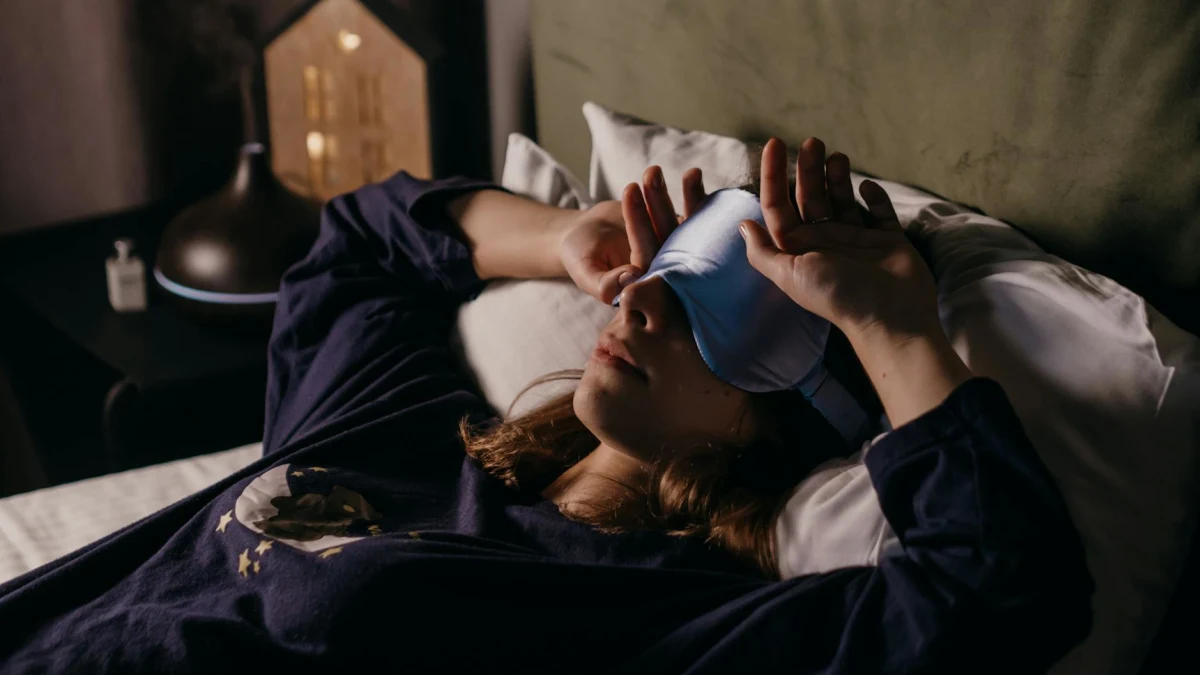
We all know that moment: a long and exhausting day has passed, you're tired, and all you want is to close your eyes and sink into deep sleep. The moment when you need to go to the mirror, remove your contact lenses and clean them can feel like an impossible task. Maybe you're thinking to yourself, "What could happen if I just keep them on for one night?" The truth is that when it comes to your eye health, the decision to sleep with contact lenses carries significant risks.
The issue of sleeping with contact lenses comes up again and again among users, and it's important to understand the full consequences. Whether you're wearing clear contact lenses to correct your vision or gorgeous colored lenses to enhance your look, the rules for maintaining eye health remain the same. Let's dive deep and understand together why it's so important to avoid sleeping with contact lenses, what the real risks are, and what you can do if you accidentally fall asleep with them.
Why Is It Forbidden to Sleep With Contact Lenses? The Science Behind the Recommendation
Our eyes need oxygen constantly to function properly. The cornea, the transparent outer layer of the eye, gets its oxygen mainly directly from the air. It has no blood vessels to maintain its transparency, which makes direct oxygen supply from the air critical.
When you put on contact lenses, they create an additional layer on the cornea, which naturally reduces the amount of oxygen reaching it. During the day, your eyes are open and you blink, which helps refresh oxygen and distribute tears that wash away dirt.
But when you sleep with contact lenses, the situation changes dramatically. Your eyelids close completely, which further reduces oxygen flow to the cornea. Additionally, natural tears don't refresh and distribute as usual, allowing bacteria and waste to accumulate under the lens. This creates an environment that is not only oxygen-deprived but also warm, moist, and ideal for the thriving of harmful bacteria and microorganisms.
Worth knowing: Many studies and recommendations from health authorities worldwide, including the Israeli Ministry of Health, indicate that sleeping with contact lenses increases the risk of eye infection by 6 to 8 times! This is an alarming statistic that highlights the importance of adhering to usage instructions.
The Real Risks: What Can Happen to Your Eyes?
Lack of oxygen and a moist, closed environment are just the beginning. Sleeping with contact lenses opens the door to a long list of problems and even dangerous conditions that can damage your eye health.
Dry Eyes and Discomfort
When you sleep with lenses, the lens tends to stick more to the cornea and absorbs the eye's natural moisture. You wake up in the morning with a severe feeling of dry eyes, redness, itching, and general discomfort. Severe dryness can also cause small scratches on the cornea, making it more vulnerable to infections.
Eye Infections and Serious Inflammation
This is undoubtedly the greatest and most dangerous risk. The non-aerated and moist environment created under the lens during sleep is fertile ground for rapid bacterial, viral, and fungal growth. Eye infections can manifest as conjunctivitis, but there is a much higher risk of far more serious conditions such as corneal ulcer (corneal ulceration).
A corneal ulcer is an open and infected wound on the surface of the cornea, which can be caused by bacteria such as pseudomonas or even amoeba found in tap water. Such a ulcer causes severe pain, extreme light sensitivity, blurred vision, and eye discharge. Without immediate treatment, a corneal ulcer can lead to permanent scars on the cornea and even irreversible vision loss. According to optometrists and eye doctors, most cases of corneal ulcers related to contact lens use are caused by sleeping with them.
Corneal Swelling (Edema) and Allergies
Prolonged oxygen deprivation of the cornea can cause it to swell – a condition called edema. This swelling affects corneal transparency and can cause temporary or permanent blurred vision. Additionally, sleeping with contact lenses can increase your eyes' sensitivity to various substances and even lead to the development of new allergies or giant papillary conjunctivitis. The eye becomes more irritated, prone to redness, itching, and a foreign body sensation.
It Happened to You? What to Do If You Accidentally Fall Asleep With Contact Lenses
We're all human, and mistakes happen. If you find yourself waking up in the morning with contact lenses still in your eyes, it's very important not to panic and to act properly to minimize damage.
The most important thing: Don't try to remove the lenses by force immediately! Your eyes are likely very dry, and the lens may be stuck to the cornea. Attempting to remove it by force can cause scratches, wounds, and more serious damage.
Here's what you need to do step by step: 1. Apply moisture drops: Use lubricating eye drops without preservatives (artificial tears) that are suitable for use with contact lenses. Apply a few drops and wait patiently for 10-15 minutes. The drops will help moisturize the eye, soften the lens, and gently separate it from the cornea. 2. Blink gently: After waiting, blink gently a few times. This will help the lens move and loosen a bit. 3. Remove gently: Wash your hands thoroughly with soap and water, and only then remove the lenses very gently, as you normally do. If the lens still feels stuck, apply more moisture drops and wait a few more minutes. 4. Discard the lenses: Even if they are quality annual lenses, like those from FANCY LOOK, lenses that you've slept in should be thrown away immediately. They may be contaminated or damaged. Don't try to clean and reuse them. 5. Let your eyes rest: Avoid wearing lenses the same day, and if possible, the next day as well. Give your eyes time to recover. Glasses are the best solution in such a situation. 6. Watch for signs: Monitor your eyes. If you experience persistent redness, severe pain, blurred vision, extreme light sensitivity, a foreign body sensation that doesn't go away, or eye discharge – see an optometrist or eye doctor immediately. These could be signs of serious infection requiring urgent treatment.
Proper Lens Care: The Key to Your Eye Health
The best way to prevent all these risks is simply to adhere to proper hygiene and correct contact lens usage rules. When you choose contact lenses, especially quality colored annual lenses, it's important to remember that comfort, style, and a stunning look come with great personal responsibility for maintaining your eye health.
Here are some important and non-negotiable rules for maintaining eye health when using contact lenses: Remove before sleep – always: This is the most important rule and there are no exceptions. No matter how tired you are, remove your lenses before you fall asleep, even if it's just a quick nap on the couch. Maintain a consistent removal and cleaning routine. Careful daily cleaning and disinfection: Annual contact lenses require special careful daily cleaning and disinfection. Always use a quality multipurpose solution designed for your lens type. Follow the "rub and rinse" method: gently rub each lens with a small amount of solution in the palm of your hand for 10-20 seconds, rinse thoroughly with fresh solution, and then place them in the case with fresh solution. Regular solution and case replacement: Don't reuse the same solution, and don't refill your old case. Change the solution in your case daily after use, and replace your lens case regularly – at least every 3 months, even if it looks clean. Thorough hand washing: Always, but always, wash your hands thoroughly with soap and water and dry them with a clean, lint-free towel before touching your eyes or lenses. Regular optometrist check-ups: Visit an optometrist regularly for comprehensive eye exams and lens fitting. This is especially important if you use colored contact lenses with prescription. Avoid contact with water: Don't rinse your lenses with tap water, saliva, or any liquid other than sterile solution. Don't shower with them, don't swim with them in a pool, sea, or hot tub. Water, especially tap water, contains microorganisms that can cause serious infections. * Listen to your body: If you feel discomfort, redness, irritation, dryness, or any other unusual sensation in your eyes – remove the lenses immediately and seek professional advice.
Quality colored lenses, like those you'll find at FANCY LOOK, offer you not only a stunning look and a refreshing change but also maximum comfort and an enormous variety of shades that will upgrade your style. They are also available with prescription, making them the perfect solution for those who want to combine fashion with vision correction safely. We're proud to provide colored annual contact lenses approved by the Israeli Ministry of Health. But even with the best lenses, adherence to usage instructions and hygiene is critical and non-negotiable for maintaining your eye health over time.
We recommend that you review our complete guide for proper care and maintenance of annual contact lenses to ensure safe and enjoyable use. Complete Guide to Annual Contact Lens Care
Frequently Asked Questions About Sleeping With Contact Lenses
Are all types of contact lenses dangerous for sleep?
Yes, broadly speaking, all types of contact lenses on the market, including colored lenses and contact lenses with prescription, are not designed for sleep. Even if a particular lens is marketed as "more breathable," sleeping with it still blocks full oxygen supply to the cornea and significantly increases the risk of infections, dryness, and irritation. The recommendation of optometrists and eye doctors is to always remove lenses before sleep.
How long is it okay to sleep with contact lenses?
The broad and unequivocal recommendation is not to sleep with contact lenses at all, not even for short naps. Even a nap of twenty minutes to half an hour may be enough to cause irritation, dryness, and redness in the eyes, and increase the risk of complications. If you feel tired and think you might fall asleep, it's always best to remove your lenses beforehand.
What's the difference between short sleep and long sleep with lenses?
While long sleep (a full night) with contact lenses dramatically increases the risk of serious infections and corneal ulcers, even short sleep (a few hours) can cause dryness, redness, irritation, and significant discomfort. The longer you sleep with the lenses, the greater the risk of developing more serious complications, but it's important to remember that even short sleep is not recommended and carries risks.
Do colored lenses require special care before sleep?
No, the instruction is the same for all contact lenses: remove them before sleep, regardless of their color or type. Colored lenses, especially quality annual lenses, require careful cleaning and disinfection with a dedicated solution and storage in a clean case after removal, just like any other contact lens. Proper care ensures both their longevity and the protection of your eye health.
Links you might find useful
Frequently Asked Questions
Yes, broadly speaking, all types of contact lenses on the market, including colored lenses and contact lenses with prescription, are not designed for sleep. Even if a particular lens is marketed as "more breathable," sleeping with it still blocks full oxygen supply to the cornea and significantly increases the risk of infections, dryness, and irritation. The recommendation of optometrists and eye doctors is to always remove lenses before sleep.
The broad and unequivocal recommendation is not to sleep with contact lenses at all, not even for short naps. Even a nap of twenty minutes to half an hour may be enough to cause irritation, dryness, and redness in the eyes, and increase the risk of complications. If you feel tired and think you might fall asleep, it's always best to remove your lenses beforehand.
While long sleep (a full night) with contact lenses dramatically increases the risk of serious infections and corneal ulcers, even short sleep (a few hours) can cause dryness, redness, irritation, and significant discomfort. The longer you sleep with the lenses, the greater the risk of developing more serious complications, but it's important to remember that even short sleep is not recommended and carries risks.
No, the instruction is the same for all contact lenses: remove them before sleep, regardless of their color or type. Colored lenses, especially quality annual lenses, require careful cleaning and disinfection with a dedicated solution and storage in a clean case after removal, just like any other contact lens. Proper care ensures both their longevity and the protection of your eye health.
Want to know which colored lenses are perfect for you?
The right choice of colored lenses can upgrade your look in an amazing way, but it's important to choose a shade that suits you personally and complements your natural eye color and skin tone. Take a few minutes to fill out our short and fun questionnaire and get a personalized recommendation for a shade of colored lenses that will complement you and highlight your natural beauty!
More Articles Worth Reading
More articles on this topic →
Can You Sleep with Contact Lenses? Everything You Need to Know
Have you ever fallen asleep wearing contact lenses? You're definitely not alone. But the truth is, it's one of the most dangerous habits for your eye health.

Are Colored Contact Lenses Harmful to Eyes? Everything You Need to Know
Many people ask whether colored contact lenses are safe to use. Here's all the important information that will help you protect your eye health and enjoy a fresh new look safely.
How Long Can You Wear Contact Lenses: The Complete Guide to Eye Health
You're putting on contact lenses and want to know how long it's safe to wear them? Maintaining eye health starts with understanding the correct recommendations.
