

Are Colored Contact Lenses Harmful to Eyes? Everything You Need to Know
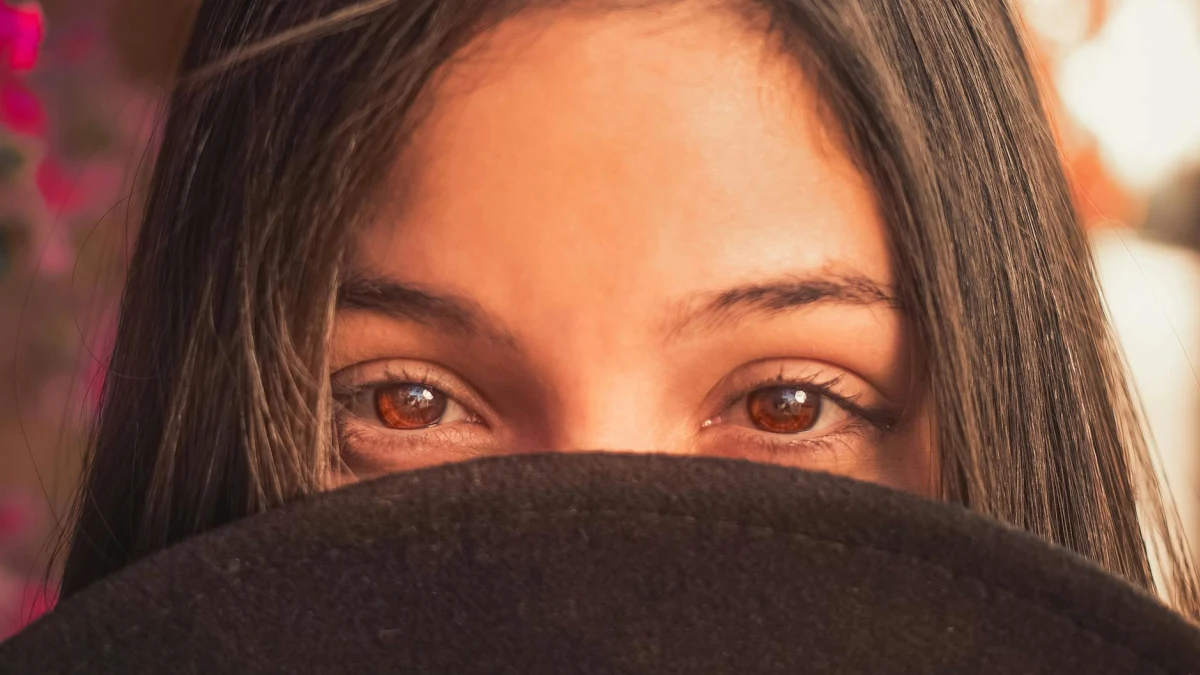
Are you dreaming of a refreshing change in your eye appearance? Colored contact lenses are a wonderful way to fulfill that dream, but along with the excitement comes an important question: Are colored contact lenses harmful to eyes? This is a completely natural concern, and you're definitely not alone. The truth is that with proper use and smart choices, you can have it all – both a stunning appearance and optimal eye health. Let's dive in and understand the secrets to safe use once and for all.
Are Colored Contact Lenses Harmful to Eyes? The Short and Complete Answer
In short, colored contact lenses, when they are high-quality and approved for use, are not harmful to eyes. The secret lies in making the right choice and maintaining strict hygiene and usage rules. Like any product that comes into contact with the body, colored lenses require responsibility and care.
High-quality colored contact lenses, like those from FANCY LOOK, undergo rigorous testing and are approved by the Israeli Ministry of Health. This means they meet strict standards for safety, comfort, and materials. The main risks of eye contamination or irritation don't come from the lenses themselves, but from improper use. For example, using unapproved lenses, improper cleaning, or sleeping with lenses – these are the actions that can actually cause harm.
What Makes Colored Lenses Safe (or Dangerous)?
The safety of colored contact lenses depends on several key factors. Understanding them will help you use them with complete confidence.
Lens Quality and Approvals
This is the first thing you need to check. Only colored lenses approved by the Ministry of Health in Israel (or equivalent health authorities in other countries) are safe to use. Cheap, unapproved lenses, sometimes sold on social media or in unregulated markets, can be extremely dangerous. They may be made of poor materials, don't breathe adequately, and can cause irritation, serious infections, and even irreversible damage to the cornea.
Personal Fit
Every eye has a different structure and curvature. A lens that doesn't fit your eye precisely can cause discomfort, friction, and compromise oxygen supply to the cornea. It's always recommended to consult with an optometrist before purchasing lenses, even if they're non-prescription. They can examine your eyes and ensure the lenses fit perfectly.
Proper Hygiene and Care
This is the most critical factor for maintaining eye health. Unclean hands, inappropriate cleaning solution, or poor storage – all of these can introduce bacteria into the eye. These bacteria are the main cause of eye infections. Remember: annual lenses require daily cleaning and storage in dedicated solution.
Duration of Use
Each lens is designed for a specific duration of use – daily, monthly, or annual. Extending the lens use beyond the recommended period endangers eye health. The materials in the lens deteriorate, deposits form, and the lens becomes less breathable, increasing the risk of irritation and infections. FANCY LOOK offers only annual lenses, which simplifies things – just remember to replace them once a year.
How to Protect Eye Health When Using Colored Lenses
So we've established that colored lenses aren't harmful in themselves – it's improper use that causes problems. Here are some simple rules to help you protect your eye health and enjoy your lenses safely.
Thorough Hand Washing
Before any contact with the lenses, whether for insertion or removal, wash your hands thoroughly with soap and water. Dry them with a clean towel that doesn't shed fibers. This is perhaps the most important tip, and the easiest to forget when you're in a hurry.
Proper Cleaning and Storage
Annual lenses require daily careful cleaning. Use only cleaning solution designated for contact lenses – never tap water or saliva! Clean the lenses according to manufacturer instructions: gently rub them in solution, rinse, and store in a clean case with fresh solution. Change the storage solution in the case daily. Replace the lens case every three months at most to prevent bacteria buildup.
Stick to the Usage Duration
Annual lenses are designed for a full year of use. Mark in your calendar when you started using them and replace them after a year, even if they look fine. The lens materials deteriorate over time, even if it's not visible to the eye. Being strict about this is critical for eye health.
Don't Sleep With Lenses
Unless you've received explicit approval from an optometrist for lenses designed for sleep, never sleep with contact lenses. Sleeping with lenses significantly reduces the amount of oxygen reaching the cornea, which dramatically increases the risk of serious infections.
Avoid Contact With Water
Remove your lenses before swimming, showering, or any other activity where your eyes come into contact with water. Tap water, pool water, or seawater contain bacteria that can cause serious eye infections.
Listen to Your Body
If you feel discomfort, redness, irritation, unusual eye dryness, blurred vision, or pain – remove the lenses immediately. If symptoms don't go away within a few hours, see an optometrist or eye doctor. Don't try to "push through" if the lenses don't feel right.
Regular Eye Exams
Even if you feel great, it's recommended to have regular eye exams with an optometrist. They can verify that your eyes are healthy and the lenses still fit you properly. Remember, colored lenses can be a wonderful part of your beauty routine, especially when you choose high-quality, comfortable lenses for daily use like those from FANCY LOOK.
Situations Where You Should Avoid Using Colored Lenses
Although colored lenses are safe for most people, there are certain situations where it's recommended to avoid using them, or at least consult a professional. Protecting eye health should always be your top priority.
Active Eye Infection
If you're suffering from any eye infection (conjunctivitis, stye, etc.), you absolutely must not insert contact lenses. The lenses could worsen the infection and delay healing. Wait for the eye to heal completely before resuming lens use.
Severe Dry Eyes
People suffering from chronic and severe dry eyes may experience increased discomfort when inserting contact lenses, including colored lenses. The lenses could worsen the dry sensation. In such cases, it's important to consult with an eye doctor or optometrist to find appropriate solutions, perhaps special eye drops or specific lens types. The truth is that high-quality, breathable lenses can actually reduce the sensation of dryness for some people, but it's important to ensure a personal fit.
Severe Seasonal Allergies
During allergy season, when eyes are itchy, red, and watery, it's better to avoid inserting contact lenses. The lenses could trap allergens and worsen symptoms. In cases of mild allergy, you can try using allergy eye drops approved for use with lenses.
Recent Eye Surgery
After eye surgery (such as laser vision correction, cataract surgery, etc.), there's a recovery period during which you cannot insert contact lenses. Follow your surgeon's instructions and allow your eyes to heal completely.
Certain Medications
Certain medications, such as antihistamines or blood pressure medications, can cause dry eyes. If you're taking medications regularly, it's worth consulting a doctor or optometrist about their impact on contact lens use.
Frequently Asked Questions About Colored Contact Lenses and Eye Health
Links you might find useful
Frequently Asked Questions
No, high-quality colored lenses require the same meticulous care as regular contact lenses. This includes hand washing, cleaning with dedicated solution, and storage in a clean case. The main difference is that they're colored, but in terms of materials and hygiene – the rules are identical.
If you suffer from mild to moderate dryness, you may be able to use colored lenses, especially if they're high-quality and breathable like annual lenses. It's recommended to consult with an optometrist and you may need to use special eye drops for contact lenses. In cases of severe dryness, it may be better to avoid use or find alternative solutions.
Annual lenses, as their name suggests, are designed for a full year of use from the moment of opening. It's important to replace them after a year, even if they look fine to you. The materials in the lens deteriorate, deposits accumulate, and their ability to transmit oxygen to the eye decreases over time.
Although non-corrective colored lenses don't change your vision, they're still considered a medical device. Therefore, it's highly recommended to have a fitting exam with an optometrist and obtain a prescription, even if it's just for the lens curvature and diameter. This will ensure the lenses fit your eyes perfectly and prevent discomfort or damage.
Which colored lens shade is right for you?
Not sure which shade will flatter your appearance? Answer a few quick questions and get a personalized recommendation!
More Articles Worth Reading
More articles on this topic →
Can You Sleep with Contact Lenses? Everything You Need to Know
Have you ever fallen asleep wearing contact lenses? You're definitely not alone. But the truth is, it's one of the most dangerous habits for your eye health.
How Long Can You Wear Contact Lenses: The Complete Guide to Eye Health
You're putting on contact lenses and want to know how long it's safe to wear them? Maintaining eye health starts with understanding the correct recommendations.
Dangerous Contact: What Happens When You Sleep With Contact Lenses?
We all know the temptation to close our eyes for a few moments with contact lenses on, but do you know what really happens to your eyes when you sleep with contacts? Let's understand together why it's dangerous and how to protect your eye health.
