

Glasses vs Contact Lenses: What's Better for You and Your Eyes?

Are you wearing glasses and thinking about switching to contact lenses? Or maybe you're new to vision correction and looking for the best option for you? The truth is there's no one-size-fits-all answer, and choosing between glasses and contact lenses depends on many factors – from your lifestyle to personal preferences. Let's dive in and examine everything you need to know.
Glasses: Familiar Comfort and Personal Style
Glasses are an established and familiar vision correction solution, and many people love them. They have clear advantages, but also some drawbacks worth knowing about before deciding.
Advantages of Glasses:
- Ease of use and maintenance: Simply put them on and take them off. Cleaning is quick and easy, with no direct eye contact needed. Eye protection: Glasses provide a light physical barrier against dust, dirt, and even UV radiation (if you have appropriate coating). Personal expression: Eyeglass frames have become a fashionable item for everything. You can choose from a wide variety of styles, colors, and shapes that reflect your personality. Lower infection risk: Since there's no direct eye contact, the risk of infections related to improper use is lower. Initial cost: Usually, the initial cost of glasses (frame and lenses) is lower than the cost of a year's supply of contact lenses.
Disadvantages of Glasses:
- Activity limitations: During sports, dancing, or any other physical activity, glasses may slip, break, or interfere. Limited field of vision: Vision through glasses is limited to the lens frame. This can create slight distortions in peripheral vision. Weather effects: Glasses tend to fog up in humidity, rain, or extreme temperature changes. Change in appearance: Some people feel that glasses change their facial appearance in ways they don't like. Discomfort: Glasses can leave marks on the nose or behind the ears, especially after prolonged wear.
The World Through Contact Lenses: Freedom, Comfort, and Self-Expression
Contact lenses offer a completely different experience, with many advantages for an active lifestyle and those who want to change their eye appearance. They're placed directly on the cornea, providing a wider and more natural field of vision.
Advantages of Contact Lenses:
- Full and natural field of vision: Since the lens moves with your eye, your field of vision isn't limited, and there are no peripheral distortions. The sensation is completely natural vision. Freedom of movement and activity: Contact lenses are ideal for athletes, military personnel, or anyone engaged in physical activities. They won't slip, break, or interfere. Aesthetics and style: Contact lenses don't change your natural facial appearance. Additionally, colored lenses allow you to temporarily or permanently change your eye color and match them to your mood, event, or simply for personal expression. If you're looking for natural-looking colored lenses that will enhance your appearance, this is definitely an option. Comfort in weather: Contact lenses don't fog up in rain, mist, or temperature changes. Availability with prescription: Most contact lenses, including prescription colored lenses, are available even for those who need vision correction. This means you don't have to compromise between sharp vision and the look you love. Fanci Look offers a wide range of contact lenses, including prescription colored lenses, that suit every need.
Disadvantages of Contact Lenses:
- High hygiene requirements: Contact lenses require extra care to prevent infections. You must wash your hands thoroughly before every contact with the lens. Adaptation time: For new users, it may take time to get used to the feeling of the lens in the eye and the insertion and removal process. Dry eyes: Some people may experience dry eyes or irritation, especially after long wear periods or in dry environments. Lenses for sensitive eyes can offer a solution in such cases. Ongoing cost: Although annual contact lenses are a cost-effective solution in the long run, there's still an ongoing cost for cleaning and storage solutions, and eventually repurchasing lenses. Not suitable for everyone: In some cases, such as certain eye conditions or extreme dryness, a doctor may recommend avoiding contact lens use.
So What's Better? Glasses or Contact Lenses?
Choosing between glasses and contact lenses is entirely personal. Here are some considerations to help you decide:
- Lifestyle: If you're very active, do sports, or physical work, contact lenses will likely suit you better. If you spend most of your time in front of a computer, glasses might be more comfortable. Personal appearance: If you like how you look in glasses and see them as a fashion accessory, great. If you prefer a more natural look or want to experiment with changing your eye color with colored lenses, contact lenses are the choice. Eye sensitivity: If you suffer from dryness or high eye sensitivity, it's important to consult with an optometrist about the possibility of contact lenses, and if necessary, choose lenses for sensitive eyes or aspheric lenses designed for maximum comfort. * Budget and convenience: Consider the total cost and time you'll invest in maintenance. Glasses require less daily handling.
In short, many people choose to combine both: glasses for daily use at home or work, and contact lenses for special events, sports activities, or simply when you want a different look.
Can Everyone Wear Contact Lenses?
In general, most people can wear contact lenses, but there are some conditions and factors that can affect the fit:
- Vision test and fitting: Before purchasing contact lenses, you must undergo a comprehensive vision test with an optometrist or eye doctor. They'll determine your exact prescription, examine your eye health, and ensure there are no conditions preventing contact lens use. Astigmatism: In the past, people with astigmatism (cylinder) had difficulty finding suitable contact lenses. Today, toric lenses are specially designed to correct astigmatism and provide sharp vision for those who suffer from it. Dry eyes: People suffering from chronic dry eyes may experience discomfort with contact lenses. However, today there are contact lenses made from advanced materials, such as silicone hydrogel, that help maintain eye moisture. In these cases, it's important to consult an expert. * Personal hygiene: Wearing contact lenses requires strict adherence to hygiene. Those who struggle to maintain clean hands and lenses may be at higher risk for infections. Therefore, it's important to understand cleaning and storage rules before starting.
How to Choose the Right Contact Lenses for You?
Choosing the right contact lenses is an important step to ensure comfort, eye health, and optimal vision. Here's what to consider:
1. Lens Type:
- Vision correction lenses: If you need correction for myopia, hyperopia, or astigmatism, you'll need prescription contact lenses. * Colored lenses: If you want to change your eye appearance, colored lenses are the perfect solution. They're available in a wide range of shades, such as blue colored lenses, green colored lenses, gray colored lenses, or brown colored lenses, and even special shades like honey brown colored lenses. Many of them are also available as prescription colored lenses.
2. Replacement Frequency:
There are different types of contact lenses by replacement frequency. While daily lenses and monthly lenses are popular, there are also annual contact lenses. It's important to know that Fanci Look specializes exclusively in annual contact lenses, offering a cost-effective and high-quality solution in the long run, with a wide range of quality colored lenses approved by the Israeli Ministry of Health. If you want to deepen your knowledge on lens types, you can read our complete guide: Daily, Monthly, or Annual Contact Lenses: The Complete Guide to Choosing.
3. Professional Consultation:
The most important step is to consult with an optometrist. They'll conduct a comprehensive fitting assessment, recommend the type of lens best suited to your eyes and lifestyle, and teach you how to properly and safely insert, remove, and care for your lenses. If you're interested in colored lenses, they can also advise you on which shade will suit you best based on your natural eye color and skin tone.
Worth Knowing:
Fanci Look offers personal color consultation service that will help you choose the perfect lens shade for you, from a huge range of quality colored lenses and relatively affordable colored lenses, all approved by the Israeli Ministry of Health.
Frequently Asked Questions About Glasses and Contact Lenses
Links you might find useful
Frequently Asked Questions
Absolutely! Many people choose to combine both. Glasses can serve as a "backup" or for home use, while contact lenses are great for sports activities, social events, or when you want to change your look with colored lenses. This gives you maximum flexibility.
For most people, the adjustment period to contact lenses ranges from a few days to one or two weeks. Initially, you may feel a slight foreign body sensation, but your eyes adjust quickly. It's important to follow the insertion and removal instructions given to you by your optometrist.
Modern contact lenses are designed to remain stable on the cornea. In rare cases, such as strong eye rubbing or direct impact, the lens may shift or fall out. However, in normal use, the risk is very low.
Absolutely. Prescription colored lenses undergo the same strict manufacturing and quality control processes as regular contact lenses. As long as you purchase them from a reliable source, with Ministry of Health approval, and use them correctly according to instructions, they're as safe to use as any other contact lenses.
Discover the perfect colored lens shade for you!
Answer a short quiz and get personalized recommendations on colored lenses that will flatter you and enhance your look.
More Articles Worth Reading
More articles on this topic →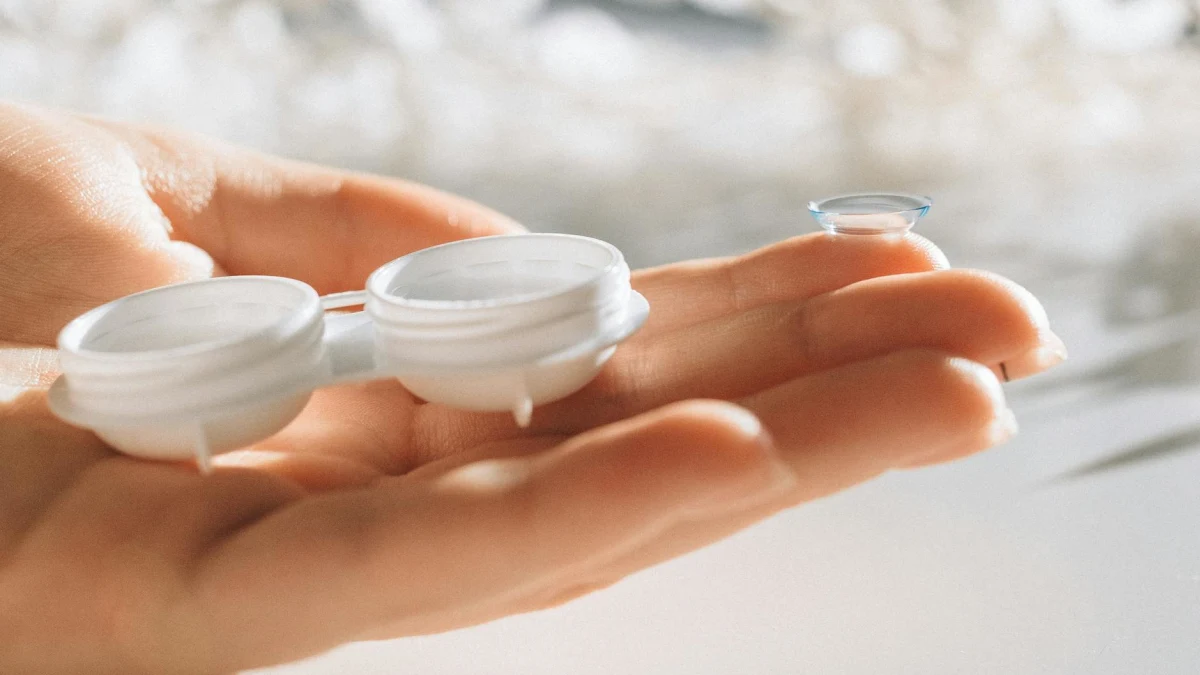
Daily, Monthly, or Yearly Contact Lenses: The Complete Guide to Choosing
Torn between types of contact lenses? This guide will help you make sense of it all and choose the perfect lens for your eyes.
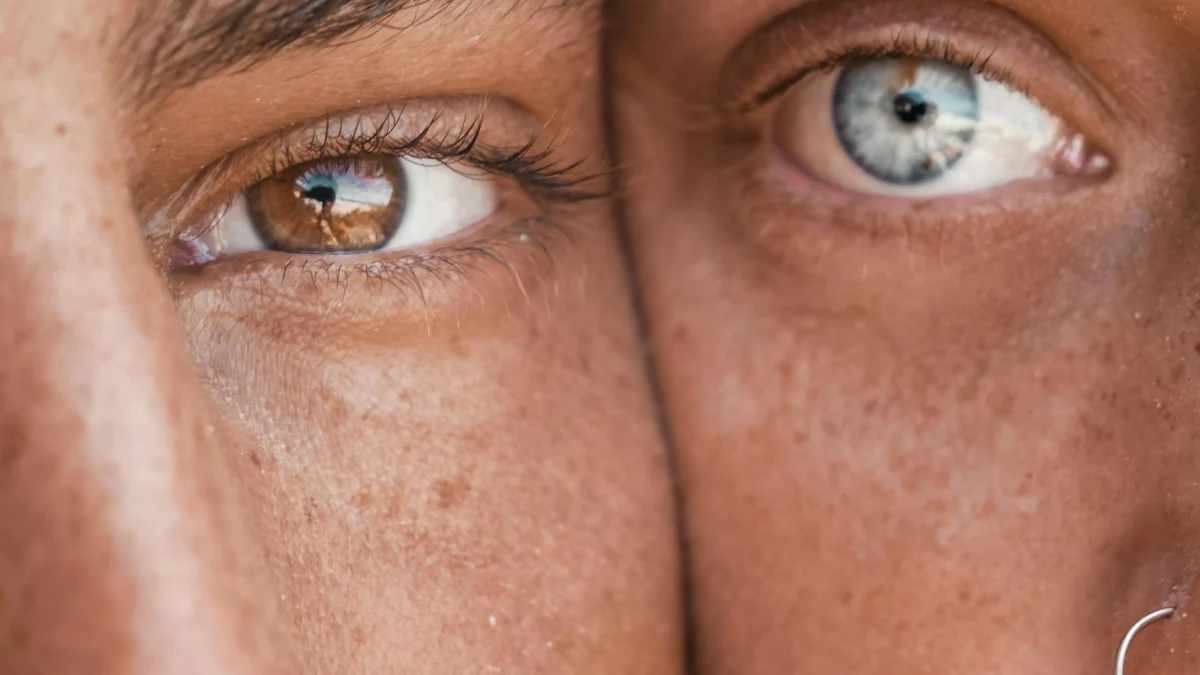
Types of Colored Contact Lenses: How to Choose the Perfect Shade?
Want to change the look of your eyes but unsure where to start? This guide will help you understand the different types of colored contact lenses and make the right choice.
