

Comprehensive Guide to Choosing and Inserting Contact Lenses: Everything You Need to Know
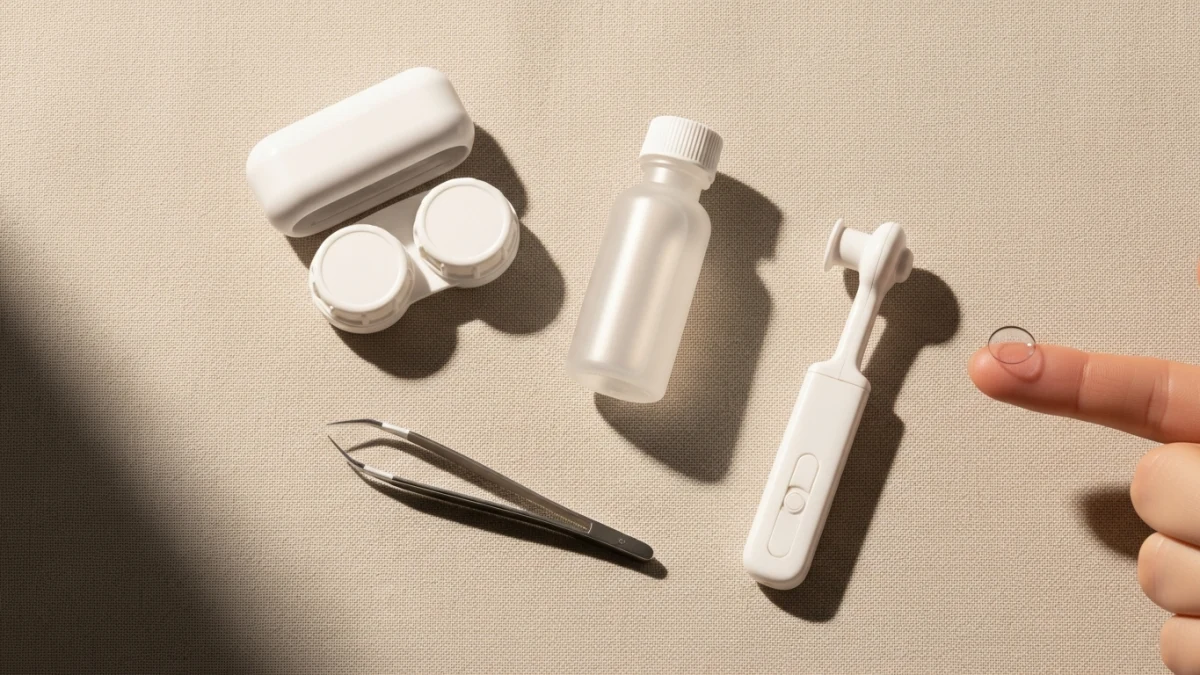
Comprehensive Guide to Choosing and Inserting Contact Lenses: Everything You Need to Know
In the modern world, contact lenses have become a popular and convenient alternative to glasses, offering freedom of movement, a more natural appearance, and even style changes with colored lenses. Whether you're considering switching to contact lenses for the first time, or you're an experienced wearer looking to refresh your knowledge, this guide is designed to provide you with all the essential information. Let's dive together into the world of contact lenses, understand the different types, learn how to choose the lens that suits you best, and how to maintain eye health over time.
Why Contact Lenses? The Advantages of Making the Switch
Beyond improving vision, contact lenses offer a wide range of advantages. They provide a wider field of vision without the interference of frames, allow maximum comfort during sports activities, and are not affected by weather conditions like rain or steam. Additionally, color lenses open up an entire world of aesthetic possibilities, allowing everyone to express themselves in a unique and refreshing way. However, to enjoy all these benefits, it's important to understand the correct principles for choosing, inserting, and maintaining them.
Types of Contact Lenses: Finding the Perfect Fit for You
The market offers an enormous variety of contact lenses, and each type is designed for different needs. Understanding the differences between them is the first step toward making the right choice that will suit your lifestyle and eye health.
Daily Lenses vs. Monthly Lenses: Advantages and Disadvantages
- Daily lenses: These are single-use lenses that you insert in the morning and discard at the end of the day. The main advantage is maximum hygiene – there's no need for cleaning or storage, which significantly reduces the risk of infections. They're ideal for those who suffer from sensitive eyes, allergies, or those who wear lenses only occasionally, such as for sports or special events. The disadvantage is the higher cost with daily regular use.
- Monthly lenses (and sometimes bi-weekly or quarterly): These are reusable lenses that require daily cleaning and storage in a dedicated solution. They're more economical with regular use and offer long-term comfort. It's important to stick to a strict cleaning regimen and replace them on time to prevent buildup of deposits and infections. They're suitable for those who wear lenses regularly and are willing to invest in proper maintenance.
Toric and Multifocal Lenses: Focused Vision Solutions
- Toric lenses: Designed to correct astigmatism (cylinder), a condition where the cornea doesn't have uniform curvature, causing blurred vision at different distances. Toric lenses are specially designed to compensate for this unevenness and provide sharp, stable vision.
- Multifocal/Bifocal lenses: Designed for people suffering from presbyopia (age-related vision change), a natural condition that typically occurs after age 40, when the eye has difficulty focusing on nearby objects. Multifocal lenses include different vision zones – for distance, intermediate range, and near – and allow smooth, clear vision at all distances without the need to switch between different glasses.
Colored Contact Lenses: More Than Vision Correction
Colored contact lenses are a wonderful way to enhance your appearance, temporarily or permanently change your eye color, and add a personal touch to any look. They're available in a wide range of colors and patterns, some designed to enhance your eye's natural color, and others to change it completely. It's important to know that even if you don't need vision correction, colored lenses, like all contact lenses, require professional fitting by an optometrist to ensure proper fit and maximum safety. Colored lenses usually come in daily or monthly versions and require the same level of hygiene and maintenance as regular lenses.
The Contact Lens Selection Process: Not What You Thought
Choosing contact lenses is a personal decision, but it must be made with professional guidance. Proper fitting is critical not only for visual comfort, but especially for eye health.
The Comprehensive Exam: Beyond the Number
The first and most important step in choosing contact lenses is a thorough eye examination by a qualified optometrist. The exam doesn't just determine the lens prescription, but also assesses eye health, measures corneal curvature, pupil diameter, tear quantity and quality, and identifies any existing medical conditions that could affect lens wear. Only after a comprehensive exam can the lens type, material, curvature, and diameter most suitable for your eye be determined. Improper fitting can cause discomfort, dryness, irritation, and even more serious damage.
Understanding the Parameters: Diameter, Curvature, and Material
- Curvature (BC – Base Curve): Refers to the degree of curvature of the lens surface. A curvature that doesn't match your corneal curvature can cause the lens to be too loose (sliding on the eye) or too tight (causing lack of oxygen supply).
- Diameter (DIA – Diameter): Refers to the size of the lens. An inappropriate diameter can cause discomfort, friction, or poor corneal coverage.
- Material: Lenses are made from different materials, with the most common being Hydrogel and Silicone Hydrogel. Hydrogel lenses provide good comfort, while Silicone Hydrogel lenses allow higher oxygen permeability to the eye, which is especially important for eye health with extended wear.
Insertion, Removal, and Proper Care: The Key to Eye Health
Even after you've chosen the perfect lenses, attention to proper insertion, removal, and care is critical to maintaining eye health and preventing complications.
Hand Washing: The Golden Rule
Before any contact with lenses or eyes, you must wash your hands thoroughly with soap and water, and dry them with a clean, lint-free towel. This is the most important step in preventing the transfer of bacteria and infections to your eyes.
Simple Insertion and Removal Techniques
- Insertion: Place the lens on the tip of your index finger (make sure it's not inside-out – its edges should point upward, in a bowl shape). Using your other hand, pull your upper eyelid upward and your lower eyelid downward. Look straight ahead and gently place the lens on the center of your eye. Close your eye and open it slowly to ensure the lens has positioned properly.
- Removal: Again, clean and dry hands. Look upward, and using your index finger gently pull the lens downward toward the white of your eye. Gently pinch the edges of the lens between your thumb and index finger and remove it. Avoid using your fingernails.
Cleaning and Storage: How to Keep Your Lenses Clean
- Dedicated solution: Use only solutions dedicated for contact lenses, and follow the manufacturer's instructions. Never use tap water, saliva, or any other liquid.
- Rubbing and rinsing: After removing the lens, place it on your palm, apply a small amount of solution, and gently rub with your finger. Rinse again with fresh solution and place in a clean case filled with fresh solution. Empty the lens case of all old solution after each use.
- Case replacement: Replace your contact lens case every one to three months, even if it looks clean. Cases accumulate bacteria over time.
When Should You Consult an Expert? Warning Signs and Tips
Wearing contact lenses is generally safe, but it's important to be alert to warning signs that could indicate a problem. If you experience one or more of the following symptoms, remove the lenses immediately and see an optometrist or eye doctor:
- Excessive redness: If your eye is unusually red and remains red even after removing the lens. Pain or discomfort: A feeling of pain, burning, itching, or a foreign body sensation in your eye that doesn't go away. Sudden blurred vision: If your vision becomes blurred or poor suddenly. Light sensitivity: An eye that's unusually sensitive to light. Eye discharge: Any kind of unusual discharge from the eye.
Remember, your eye health comes first. Follow your optometrist's guidelines, stick to regular check-ups, and don't hesitate to seek professional help with any concerns. With proper care, contact lenses can provide you with a comfortable and clear vision experience, along with freedom and exciting aesthetic possibilities.
Links you might find useful
Frequently Asked Questions
In general, it's not recommended to sleep with contact lenses unless they're a special type approved for this purpose by an optometrist or eye doctor (extended wear lenses). Sleeping with regular lenses can significantly increase the risk of infections, dryness, and irritation, as it reduces oxygen supply to the cornea.
The adjustment period for contact lenses varies from person to person. Usually, most people adjust to new lenses within a few days to a week. Initially, you may experience a slight sensation of a foreign body in your eye, but this should pass as your eye adapts. If discomfort persists or worsens, consult an optometrist.
Absolutely. Even if you don't need vision correction, colored contact lenses, like any other type of contact lens, require a prescription and professional fitting. This is because contact lenses are a medical product that comes into direct contact with the eye, and require accurate fitting to your corneal curvature and diameter to prevent damage, irritation, and infections. Don't buy colored lenses without a check-up and fitting from a qualified optometrist.
If you feel irritation, redness, pain, or any other discomfort in your eye when inserting lenses, remove them immediately. Clean the lenses thoroughly and examine them to ensure they have no dirt or tears. If the irritation persists even after reinsertion (or if the eye remains irritated without the lens), don't insert the lenses again and see an optometrist or eye doctor as soon as possible. There may be an infection, dryness, or the lens may not be a good fit.
Ready to upgrade your look?
Find the perfect lenses for you and start enjoying sharp vision and an upgraded appearance!
More Articles Worth Reading
More articles on this topic →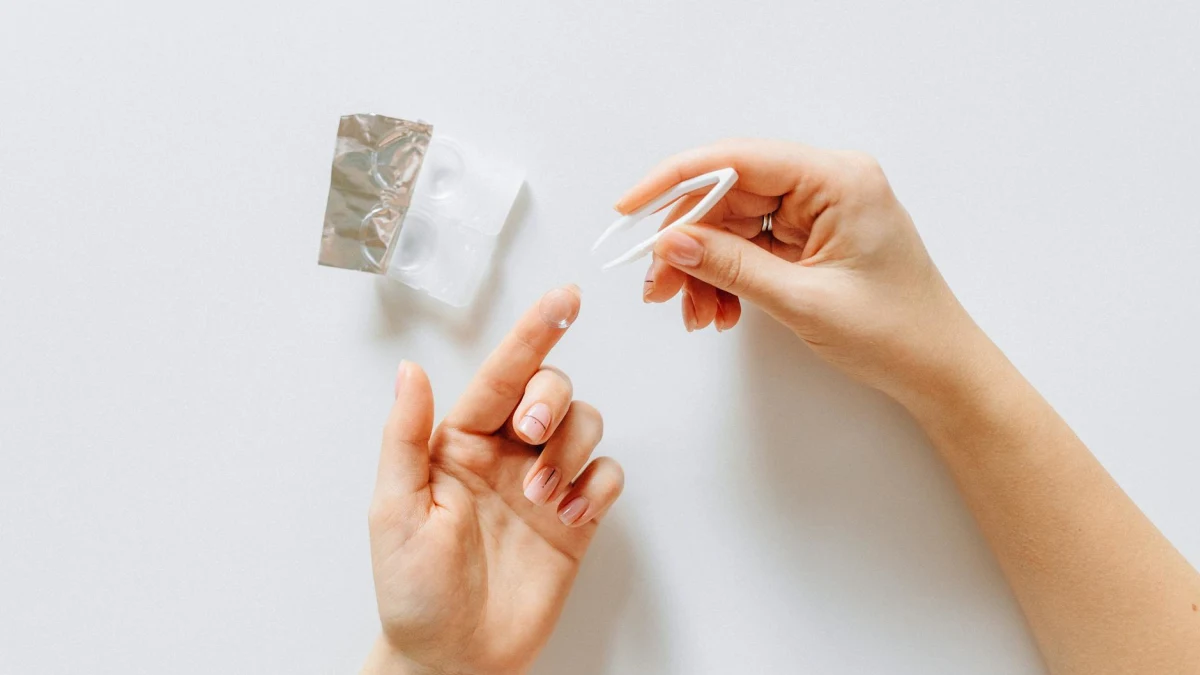
Cleaning and Storage of Monthly Contact Lenses: The Complete Guide
Monthly contact lenses are a convenient and effective solution for sharp vision and personal style, but to maintain eye health and maximum comfort, it's important to know how to clean and store them properly. Let's dive into a step-by-step guide that will help you get organized.
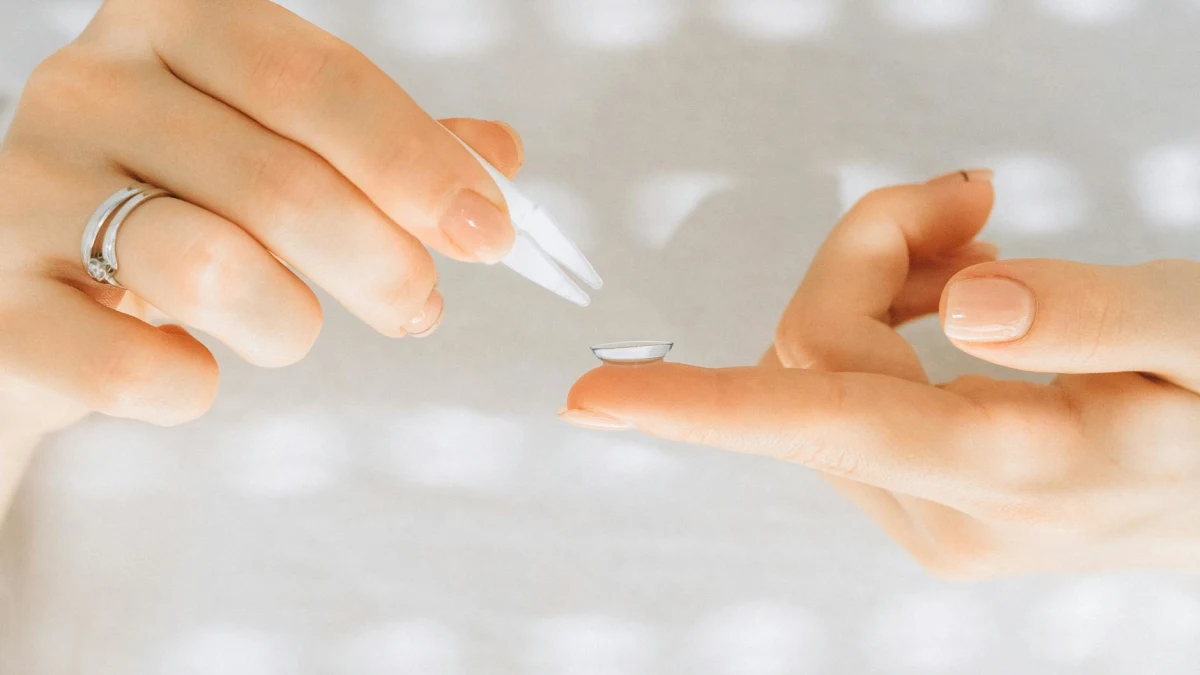
How to Put on Contact Lenses for the First Time? A Friendly and Easy Guide
Contact lenses can change your appearance and improve your vision, but how exactly do you put them on? Don't worry, we've prepared a detailed and easy guide to help you do it like a professional.
