

Daily, Monthly, or Yearly Contact Lenses: The Complete Guide to Choosing
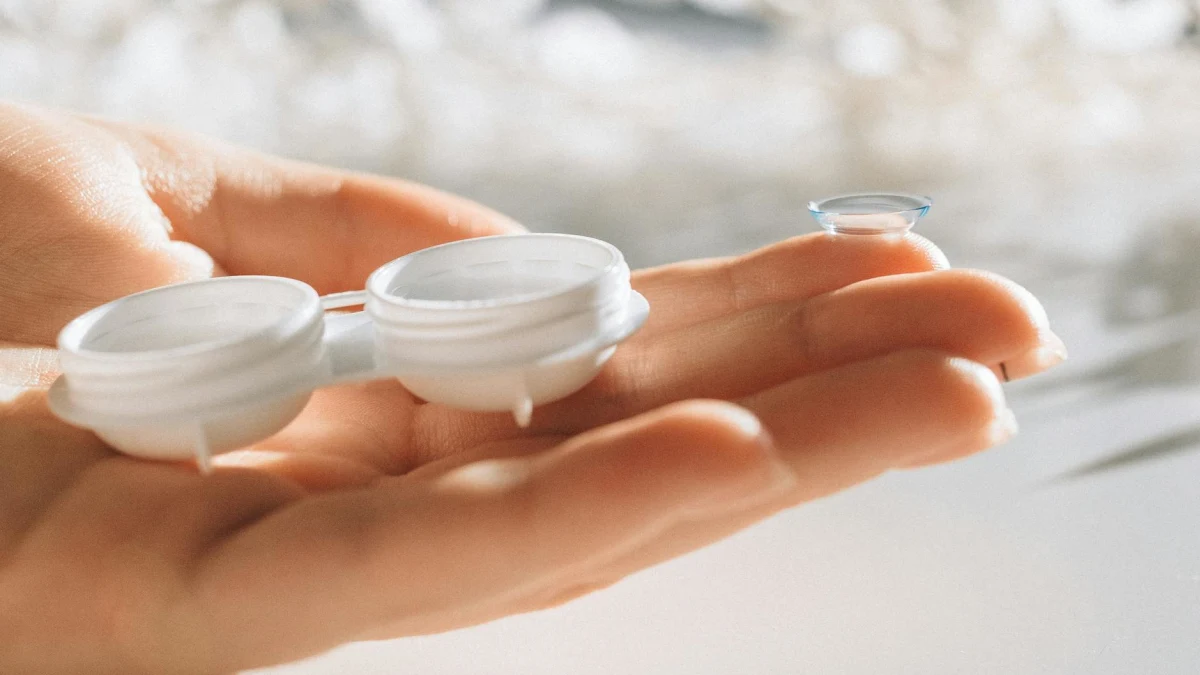
Have you decided to part with your glasses and enter the world of contact lenses? How wonderful! A whole new world of freedom, comfort, and self-confidence opens up before you. But wait, when you start searching, you discover there are so many types – daily, monthly, yearly... In short, it can be a bit confusing, right?
The truth is there's no one-size-fits-all answer. Choosing the right type of contact lens is a personal matter that depends on your lifestyle, budget, and your unique eye health. So how do you choose the lens that will be perfect for you? Here's what you need to know.
Daily Contact Lenses: Maximum Comfort Without Headaches
Daily contact lenses are the simplest and most hygienic solution available. The idea is simple: you put on a fresh, sterile lens in the morning and throw it away at the end of the day. That's it, no cleaning, no storage, no headaches. They offer peace of mind and ease of use like nothing else.
Outstanding Benefits of Daily Lenses
- Excellent hygiene: Every day you start with a completely new pair of lenses. This significantly reduces the risk of deposit buildup, bacteria, and infections. This makes them an excellent choice for people with sensitive eyes or those prone to allergies. Comfort and simplicity: No need to deal with cleaning solutions, storage cases, or reminders to replace them. Just put them on and enjoy clear vision. This is ideal for athletes, frequent travelers, or those who simply don't want to commit to daily maintenance. Suitable for occasional use: If you don't want to wear contact lenses every day, daily lenses are the perfect solution. You can combine them with glasses and only wear them when you feel like it – for going out, a special event, or sports activity. * Easy for beginners: According to optometrists, daily lenses are often the recommended choice for new users. They make the adaptation process easier and reduce the fear of maintenance mistakes.
Drawbacks to Consider
- Cost: If you plan to wear contact lenses every day, the annual cost of daily lenses can be higher compared to other types. However, the comfort and hygiene they offer are worth the investment for many. * Environmental impact: Using new lenses every day generates more waste. That said, many companies are developing advanced recycling solutions to reduce environmental impact.
Who are they especially suitable for? For people with sensitive or dry eyes, those with an active lifestyle, frequent travelers, and those who prefer maximum comfort without dealing with maintenance.
Monthly Contact Lenses: An Economical and Stable Solution
Monthly contact lenses are designed for use of approximately one month, after which they should be replaced with a new pair. Unlike daily lenses, they require daily cleaning and disinfection and storage in a dedicated solution every night. They are a very popular solution among regular contact lens wearers.
Outstanding Benefits of Monthly Lenses
- Cost-effective for regular use: If you wear contact lenses daily, monthly lenses are usually a more economical choice compared to daily lenses. The cost per day is significantly lower. Wide range of options: Many monthly lenses are made from advanced materials like silicone hydrogel. This material allows exceptionally high oxygen transmission to the eye, which contributes to its health and sustained comfort. Worth knowing: There are also monthly aspheric lenses, designed to reduce optical distortions and provide sharper and clearer vision, especially in low light conditions. Less waste: Since they're replaced once a month rather than daily, they generate less packaging and lens waste. * Fancy Look offers a wide range of high-quality monthly contact lenses, including stunning color lenses that change the appearance of your eyes stylishly and safely.
Drawbacks to Consider
- Daily maintenance: They require strict discipline in cleaning, disinfection, and storage every night. If you don't stick to this, the risk of infection increases significantly. For more information, read our guide on Cleaning and Storing Monthly Contact Lenses: The Complete Guide. Risk of infections: Failure to maintain proper hygiene is the number one cause of complications and infections when using monthly lenses. Deposit buildup: Over time, even with careful cleaning, deposits of proteins and fats from the eye can accumulate on the lenses, which can affect comfort and vision.
Who are they especially suitable for? For those who wear contact lenses daily, are willing to invest a few minutes in daily cleaning, and are looking for a cost-effective long-term solution.
Yearly Contact Lenses: The Economical Choice for the Long Term
Yearly contact lenses, as the name suggests, are designed for use of up to a full year. They were more common in the past, but today, with technological advances, most people prefer short-term lenses for hygiene and health benefits. Still, they exist and have their advantages.
Outstanding Benefits of Yearly Lenses
- Most economical: Over the long term, the cost per day of yearly lenses is the lowest among all types of contact lenses. This can be an important point for those looking for a particularly economical optical solution. * Custom fitting: In some cases, especially for particularly complex prescriptions or specific vision problems, yearly lenses can be ordered with precise custom fitting to your eye. This allows a quality optical solution for those who need exceptional accommodation.
Drawbacks to Consider
- Hygiene and particularly strict maintenance: Yearly lenses require the highest level of discipline in cleaning, disinfection, and storage. Because they're in use for such a long time, deposit and bacterial buildup is inevitable without meticulous daily care. High risk of infections: As a result of prolonged use and deposit buildup, the risk of eye infections and inflammation is significantly higher with yearly lenses if you don't stick to all maintenance rules with extra care. Reduced comfort: The comfort of the lenses may deteriorate as you approach the end of the lens life. Deposits and dirt can accumulate and lead to feelings of dryness or irritation.
Who are they especially suitable for? For most people, daily or monthly lenses are more recommended. Yearly lenses are recommended only for those with a special prescription for which there is no other solution, and who are willing to commit to the most meticulous daily maintenance, and only on the recommendation of an optometrist.
How to Choose the Right Lens Type for You? Questions to Ask Yourself
Choosing contact lenses is a personal and important matter. There is no "best lens" in absolute terms, only "the best lens for you." To make the right choice, it's worth asking yourself a few key questions.
- Lifestyle: Are you an active person? Do you spend a lot of time outside the home, play sports, or travel? If so, comfort and ease of use (like with daily lenses) will be important. If you're mostly in an office in front of a computer, monthly lenses might be more suitable. Budget: How much are you willing to spend on contact lenses per month or year? Think about the total cost – lenses, cleaning solutions (for monthly and yearly lenses), and cases. Usually, daily lenses are more expensive for daily use, monthly lenses are more economical, and yearly lenses are the most economical long-term (but require more expensive care). Eye health: Do you have sensitive, dry eyes, or do you suffer from allergies? If so, daily lenses or lenses for sensitive eyes made from advanced materials will be a better choice. Certain materials and high lens replacement rates can relieve feelings of discomfort. * Willingness to maintain: Are you prepared and able to commit to careful cleaning and proper storage of your lenses every day? If you're the forgetful type or don't have time, daily lenses will be preferable.
The truth is there's no substitute for consulting with a qualified optometrist. Only they can thoroughly examine your eyes, assess their health, evaluate your cornea shape, and fit you with the perfect type of lens, material, and prescription. In short, proper fitting is the key to maximum comfort and maintaining eye health in the long term. For more information on the fitting process, read A Comprehensive Guide to Choosing and Wearing Contact Lenses: Everything You Need to Know.
Differences in Materials: Silicone Hydrogel and More
Beyond the type of use (daily, monthly, yearly), the material from which the lens is made is also critical to comfort and eye health. Technology in the field of contact lenses has advanced greatly in recent years, and today we enjoy particularly advanced materials.
- Silicone hydrogel: This is a revolutionary material widely used in modern lenses. Its main advantage is exceptionally high oxygen transmission to the cornea of the eye. This is extremely important for eye health, reduces risks of dryness and discomfort, and allows for longer wear. Many of Fancy Look's advanced lenses, whether daily or monthly, are made from this material. * Aspheric lenses: These are lenses designed in a special way that is not completely spherical. Aspheric design reduces optical distortions (aberrations) that sometimes exist in regular spherical lenses. The result is sharper and clearer vision, especially around the edges, and a significant improvement in vision quality in low light conditions or night driving. They are recommended for those seeking ultimate vision quality.
Choosing the right material, along with a precise lens fit, can dramatically improve your wearing experience and maintain eye health over time.
Common Questions About Contact Lenses
Can you sleep with contact lenses? Generally, it's not recommended to sleep with contact lenses unless you've received explicit approval from an optometrist. Sleeping with lenses significantly increases the risk of eye infections and inflammation because it reduces oxygen flow to the cornea. There are special lenses designed for extended sleep, but they should only be used with the approval and recommendation of an optometrist.
How long does it take to get used to contact lenses? For most people, the adaptation process to contact lenses takes several days to a week. Initially, you may experience a mild foreign body sensation in your eye, but this quickly fades as your eye adjusts. If the discomfort persists or worsens, contact an optometrist immediately for an examination.
Can children and teenagers wear contact lenses? Absolutely yes! There is no fixed minimum age for wearing contact lenses. The decision depends primarily on the child or teenager's maturity, their ability to maintain strict hygiene, and their willingness to care for the lenses. An optometrist can assess the child's suitability and guide them and their parents through the process.
Can contact lenses get lost behind the eye? No, this is a common urban myth. The structure of the eye physically prevents the lens from penetrating to the back of the eyeball. If the lens shifts from its place, it usually sits under the upper or lower eyelid and can be removed relatively easily. Don't worry!
---
In short, choosing between daily, monthly, or yearly contact lenses depends on you, your lifestyle, and your personal preferences. Each type offers its own advantages and disadvantages, and the key is to find the perfect balance for you.
Want to know for sure which type of contact lens is right for you? Take our short quiz and discover the perfect lenses for your eyes and lifestyle!
Links you might find useful
Frequently Asked Questions
Generally, it's not recommended to sleep with contact lenses unless you've received explicit approval from an optometrist. Sleeping with lenses significantly increases the risk of eye infections and inflammation because it reduces oxygen flow to the cornea. There are special lenses designed for extended sleep, but they should only be used with the approval and recommendation of an optometrist.
For most people, the adaptation process to contact lenses takes several days to a week. Initially, you may experience a mild foreign body sensation in your eye, but this quickly fades as your eye adjusts. If the discomfort persists or worsens, contact an optometrist immediately for an examination.
Absolutely yes! There is no fixed minimum age for wearing contact lenses. The decision depends primarily on the child or teenager's maturity, their ability to maintain strict hygiene, and their willingness to care for the lenses. An optometrist can assess the child's suitability and guide them and their parents through the process.
No, this is a common urban myth. The structure of the eye physically prevents the lens from penetrating to the back of the eyeball. If the lens shifts from its place, it usually sits under the upper or lower eyelid and can be removed relatively easily. Don't worry!
Find the Perfect Lenses for You!
Answer a few quick questions and discover which type of contact lens best suits your lifestyle and the unique needs of your eyes.
More Articles Worth Reading
More articles on this topic →
Glasses vs Contact Lenses: What's Better for You and Your Eyes?
Torn between glasses and contact lenses? You're not alone. This guide will help you understand all the advantages and disadvantages so you can make the right decision for you and your lifestyle.
Types of Colored Contact Lenses: How to Choose the Perfect Shade?
Want to change the look of your eyes but unsure where to start? This guide will help you understand the different types of colored contact lenses and make the right choice.
