

Natural Colored Lenses: How to Choose a Shade That Actually Looks Natural?

Let's be honest, when choosing colored lenses most of us want people to notice our eyes, not the lenses.
You can choose a beautiful shade, but if it doesn't blend with your original eye color, skin tone, or even the lens size, the result can look a bit less natural than we imagined.
On the other hand, when you choose correctly, colored contact lenses can blend into the eye very subtly. Sometimes people won't even realize you've changed something, they'll just feel like your eyes look brighter, deeper, or a bit different than usual.
So how do you achieve that result? In this guide we'll go over the things that really affect the look, without overcomplicating it.
What actually makes colored lenses look natural?
There's no one shade that is "natural" for everyone. A gray lens can look very natural on one person and artificial on another. The same is true for green, blue, brown, or honey.
What determines it is the combination of several things: your original eye color, the lens color, its transparency and pattern, the transition in the pupil area, skin tone, hair, and also the effect you want to achieve.
If the goal is a natural look, it's usually worth looking for a change that blends with the eye rather than trying to "erase" it completely.
That's exactly why it's worth looking at colored lenses not just by the model's photo, but by how the shade might blend with your eye.
The first thing you should check is your eye color
A light eye and a dark eye have a completely different starting point.
Brown and dark eyes
With brown and dark eyes, the base color of the eye greatly affects the final result.
If you want a subtle change, shades like light brown, honey, hazel, olive green, and warm gray can blend very nicely with the natural color.
If you choose a very bright shade with strong coverage, for example a very bright cool blue, the change will of course be more noticeable. That doesn't mean it can't look good, it just means you need to understand that it's already a more significant change.
For those looking for a warm and soft look, you can start with brown colored lenses and see shades that blend more easily with a brown base.
Light eyes
For example, gray can slightly cool down a blue or green eye, and green can add depth to a light eye without creating too much contrast.
Here, sometimes a lens with some transparency actually gives a beautiful look, because the original eye color continues to participate in the result.
Natural doesn't mean you have to choose a color similar to your eye color
This is a common mistake. If you have brown eyes, you don't have to choose only brown to get a natural look. Green, gray, and even blue can work, depending on the exact shade and the effect you're looking for.
For example, green contact lenses in an olive or smoky green shade can look much more natural on a dark eye than a very bright green.
The same goes for gray contact lenses. Soft or smoky gray can make a noticeable change without creating a feeling of color "printed" on the eye.
The goal is not necessarily to choose the least noticeable color, but the shade that blends in best.
Pay attention to the transition around the pupil
One of the things that greatly affects a natural look is the area where the lens color meets the pupil.
When there's a more gradual transition between the lens color and the natural eye, the result usually feels softer. In contrast, a very sharp transition or a strong pattern in the center area can make the eye look more dramatic.
And that's not necessarily a bad thing. Some people want exactly that effect. But if you came to this article because you're looking for lenses that look natural, this is a detail worth paying attention to in the images and when choosing your shade.
And what about the dark frame around the lens?
Some lenses have a darker outer ring that emphasizes the edge of the iris.
A delicate ring can give the eye depth and make it look more defined. A stronger ring can make the eye look larger and more prominent.
Again, the question is not what's prettier, but what you're trying to achieve. For an everyday, subtle look, we usually prefer the frame to blend in with the rest of the color and not draw all the attention.
Skin tone and hair color also play a role
You don't have to choose contact lenses according to "rules," but skin tone and hair color can help you narrow down your options.
If you have a warm skin tone, honey, brown, hazel, and warm green tones can blend in very naturally. With a cooler skin tone, gray, smoky blue, and cool greens can work excellently.
But that doesn't mean you can't mix and match. Sometimes it's the contrast that makes the whole look.
Those who prefer cooler tones can go for blue contact lenses, and those who prefer something warmer can start with brown or honey.
What shade looks most natural on a daily basis?
If you're looking for contact lenses for everyday wear and not for a one-time event, it's worth thinking about the environment where you'll actually use them.
Shop lighting, studio lighting, and sunlight can make the same shade look completely different. Phone cameras also sometimes change the color. So it's better to choose a shade that you feel comfortable with even without heavy makeup or special lighting.
In general, smoky shades, honey brown, hazel, soft gray, and olive green tend to blend in relatively easily with everyday looks, but ultimately it all depends on your original eye color.
A lighter lens won't always look more natural
Many people look at photos and think that the lighter the lens, the more beautiful it will look. In reality, that's not always true.
On a very dark eye, for example, an especially light shade can create strong contrast. Sometimes that's exactly what you want, but if the goal is a natural look, a slightly deeper shade can blend in much better.
Sometimes the small change is what makes the difference. Instead of going from dark brown to very bright blue, you can try smoky gray, olive green, or honey brown and achieve a result that's noticeable, but not striking.
And what about lens size?
Diameter also affects how the lens looks on the eye.
A lens that covers a larger area of the iris can create a more dramatic look and sometimes even the feeling of larger eyes. In contrast, a fit closer to the natural size of the eye usually gives a more relaxed appearance.
This is a topic in itself, and we'll dedicate a separate guide to it, because there's a difference between the diameter of the lens itself and the way the colored pattern sits on it.
Don't Choose Based on a Single Photo
One of the most important things to remember is that the same lens can look different on different people.
If you saw a photo of a certain shade on light eyes and you have dark brown eyes, don't necessarily expect the same result. The eye color underneath the lens is part of the outcome.
So when you're torn between a few shades, it's better to first think about what kind of change you want:
- A subtle change that people will have trouble noticing? A noticeable change but still natural? Or a completely significant change?
Once you know that, it's much easier to choose. You can also go through all the lenses and shades and compare between the different color families.
Natural and Still Noticeable, It's Completely Possible
Sometimes people hear "natural look" and think it means the lens shouldn't change much at all. Not at all.
You can go from a brown eye to gray, green, and even blue and still get a result that looks balanced. The difference is in the shade, the pattern, the outer frame, and the way the lens blends with the original eye.
The goal is to reach a point where the new color feels like it belongs to the eye.
A Few Tips Before You Choose
- Don't choose based on the shade name alone. "Gray" or "Green" can look completely different between models. Look at the brightness level, the frame, the color near the pupil, and the overall effect. Also think about how you look on a daily basis. If you're almost always without makeup, a very dramatic lens might feel too strong for you.
And if you're not sure at all where to start, you can use the color match quiz to narrow down your options.
And What's Most Important in the End?
That the shade you choose feels right for you. There are people who love a very subtle change and there are those who want to look in the mirror and feel like they've completely changed their look. There's no one right answer here.
If your goal is natural color lenses, look for a shade that blends with the eye, not just a shade that looks pretty in a photo. Consider the original eye color, skin, hair, the brightness level, and the frame of the lens, and remember that the same lens can look different on everyone.
In the end, a good lens is not one that no one sees. It's one that makes people look you in the eyes and think that the color simply suits you.
Links you might find useful
Frequently Asked Questions
There's no single shade that works for everyone. Generally, a shade that blends with your original eye color and creates a subtle transition around the pupil will look more natural than a shade that creates a very sharp contrast.
Light brown, honey, hazel, green, gray, and even blue can suit brown eyes. If you want a more subtle look, it's usually best to start with shades that blend with the brown base and don't create extreme contrast.
Yes. The exact shade and pattern of the lens matter a lot. Smoky gray or gray with warm tones can blend much more softly than very light gray.
No. Your original eye color, lighting, skin tone, and the lens pattern all affect the result, so the same model can look different on different people.
It's best to start with your original eye color and the change you want to achieve, then choose a color family that matches this look. If you're unsure, you can use the matching quiz or consult before making your choice.
Not sure which shade will look natural on you?
Answer a few quick questions in our shade matching quiz and get a personalized recommendation for a shade that blends with your eye color and skin tone.
More Articles Worth Reading
More articles on this topic →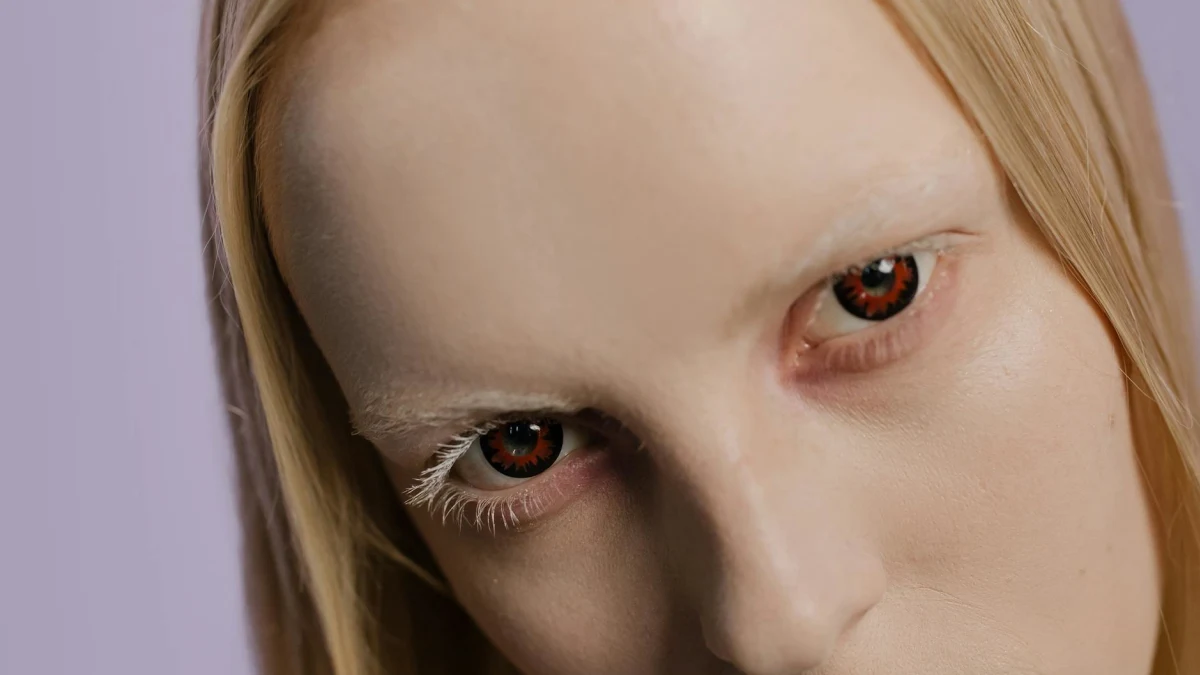
Contact Lenses for Purim: Safety, Proper Use and What to Do with Them After the Holiday
Purim is approaching and you're already thinking about the perfect costume? The truth is that even the most elaborate costume has a little secret that can upgrade it from end to end – colored contact lenses. Let's discover how they will turn you into the star of the party.
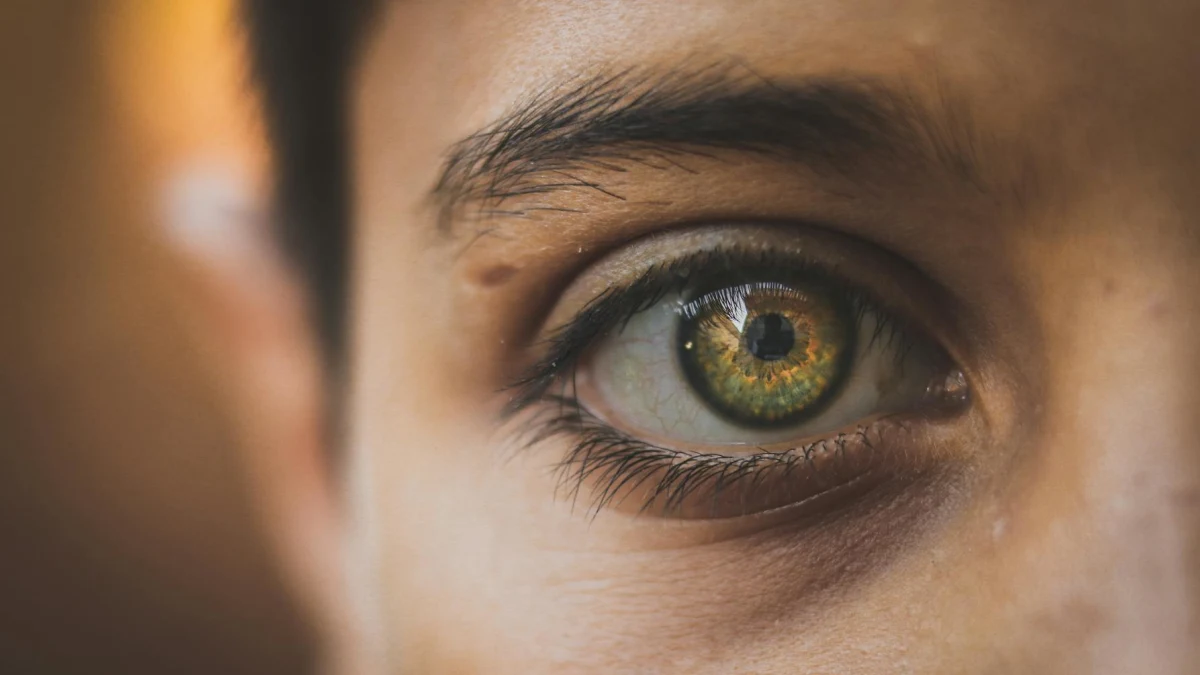
Colored Contact Lenses for Dark Eyes: The Guide to a Natural and Stunning Look
Dreaming of changing your dark eye color but worried it won't look natural? Don't worry, we're here to prove to you that it's possible – and easily!
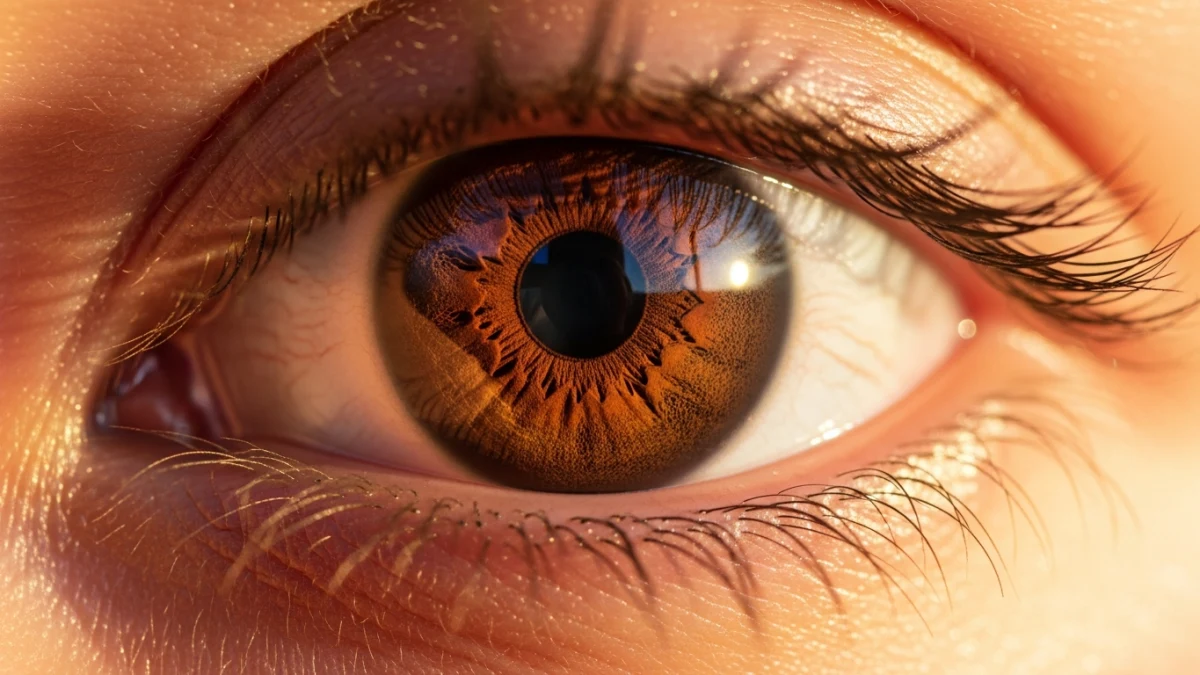
Guide to Color Contact Lenses — Everything You Need to Know Before Wearing
Want to refresh your look and change your eye color? Color contact lenses offer an easy and safe solution that can dramatically upgrade anyone's appearance. Discover everything you need to know before choosing.
