

Guide to Color Contact Lenses — Everything You Need to Know Before Wearing
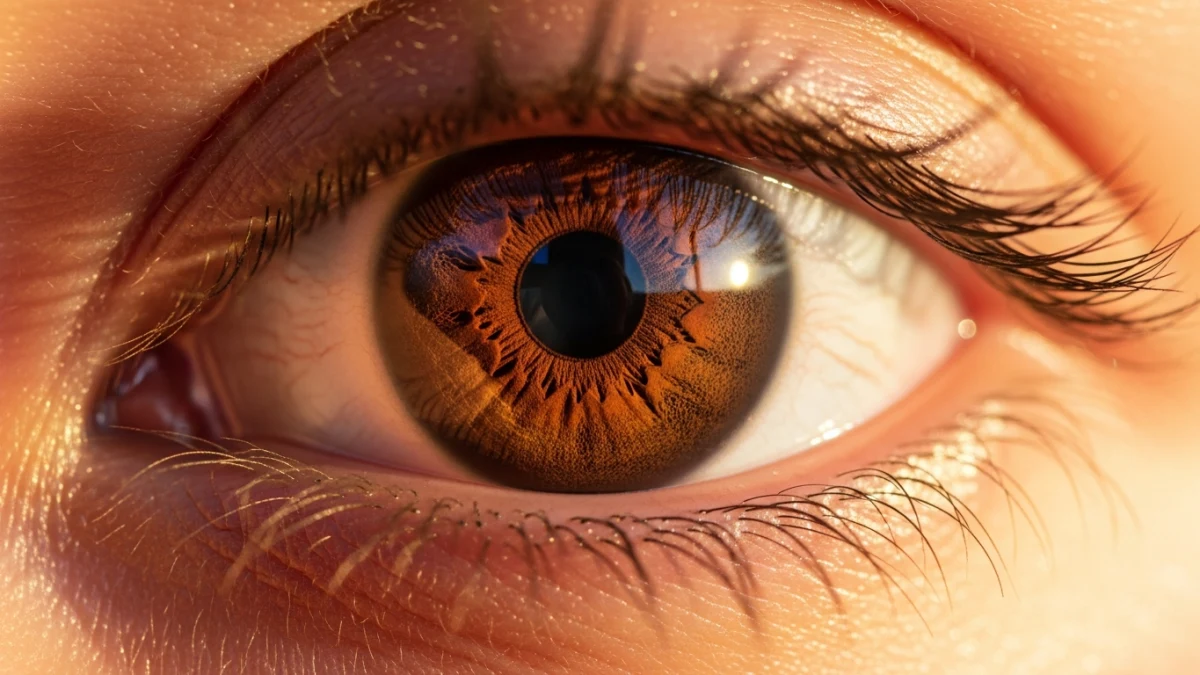
Thinking about trying color contact lenses but unsure where to start? Before choosing a shade, it's worth learning several important things about fitting, insertion, care, and proper use. Color contact lenses are an easy, safe, and exciting way to upgrade your personal appearance and express yourself in new ways. At FANCY LOOK, we believe beauty and eye health go hand in hand, which is why we offer a wide range of quality, comfortable, and safe color lenses that will allow you to discover the perfect shade for you. In this post, we'll dive deep into the world of color lenses, understand who they're suitable for, how to choose them correctly, and how to maintain eye health while enjoying the change.
What are Color Contact Lenses and Who Are They Suitable For?
Color contact lenses are essentially contact lenses with color pigment, designed to change or enhance the natural iris color of the eye. Unlike regular contact lenses, which are designed solely to correct vision, color lenses often combine both vision correction and aesthetic enhancement. They've become a popular fashion item among a wide range of people who want to refresh their appearance or experiment with different identities.
Uses for Color Contact Lenses
- Aesthetic change: This is the primary reason for choosing color lenses. Whether you want a deep blue shade, a vibrant green, a mysterious gray, or even a lighter brown, color lenses allow you to experience a completely new look. They're perfect for special events, photoshoots, or simply for everyday wear for those who love experimenting with color. Enhancing natural color: Some color lenses aren't meant to change eye color drastically, but rather to enhance and intensify the natural shade of your eyes. They're designed for those who want a more subtle and natural look, but with a refreshing twist. Vision correction and beauty: Many don't know that color lenses are also available with an optical prescription (to correct nearsightedness or farsightedness). This means you can enjoy both changing your eye color and clear vision without needing glasses. Make sure your optical prescription is up to date and that the lenses are perfectly fitted to your eye parameters.
Types of Color Lenses: Daily, Monthly, and Annual
Like regular contact lenses, color lenses come in various usage periods, allowing flexibility and adaptation to your lifestyle:
- Daily lenses: Designed for single-use and discarded at the end of the day. They're ideal for those who want to experiment with different colors, for special events, or for those who prefer the maximum convenience and hygiene of a fresh lens each time. Monthly/bi-monthly lenses: These lenses can be reused for a month or two (depending on the manufacturer's instructions), provided you follow proper cleaning and storage. This is a more economical option for regular use. Annual lenses: These lenses are designed for extended use, up to a year, and require extra care with cleaning, disinfection, and storage. They offer the most cost-effective solution for long-term use.
How to Choose Color Contact Lenses: The Complete Guide
Choosing color lenses is a personal and enjoyable experience, but there are several important factors to consider to ensure the result is flattering and safe.
Matching Skin Tone and Hair Color
To create a harmonious look, consider your skin tone and hair color:
- Fair skin tones and light hair (blonde, light brown): Blue, green, gray, and turquoise shades tend to look natural and flattering. Lighter brown or honey tones can also add warmth and depth. Medium skin tones and dark hair (brown, black): Almost any color can work, but deep shades like royal blue, emerald green, dark brown, or dark gray can create a dramatic and impressive look. Hazel or honey-toned lenses can soften the appearance. Dark skin tones and dark hair: Brown, gold, dark green, and deep blue shades can look stunning. Sometimes, lighter shades like gray or turquoise can create a beautiful and striking contrast.
Matching Your Natural Eye Color
Your natural eye color will affect how the color lenses appear:
- Light eyes (blue, green, gray): It's relatively easy to change or enhance eye color. Lighter color lenses will blend well and create a subtle change, while darker lenses will create a dramatic contrast. * Dark eyes (brown, black): To achieve a noticeable change, stronger pigmentation is usually needed. Shades like deep blue, vibrant green, or bright gray can create a striking effect. Lenses with a dark limbal ring around the edge can define the eye and give a larger, more doll-like appearance.
Types of Finishes and Textures
Color lenses come in various patterns and textures that affect how natural the appearance looks:
- Transformative shade (Opaque): These are lenses with an opaque color that completely covers the natural eye color. They're ideal for those who want a dramatic and clear change, even on dark eyes. Enhancement shade: Semi-transparent lenses designed to intensify your natural eye color. They're great for light eyes that want to add depth or a richer tone without completely changing the color. Lenses with limbal ring: A dark ring around the edge of the lens that gives the eye a defined, larger, and younger appearance. This is a popular choice for creating a doll-like or dramatic look.
Do You Need a Prescription?
Yes, absolutely! Even if you're purchasing color lenses without vision correction (plano), they're still considered a medical device and should only be purchased with a custom prescription from an optometrist or eye doctor. The prescription includes parameters such as lens diameter and base curve, which are critical for proper fitting and maintaining eye health. An improper fit can cause discomfort, irritation, and even serious damage to the eyes. Maintain regular eye exams to ensure the lenses still fit and are safe to use.
Insertion, Care, and Proper Maintenance of Color Contact Lenses
Proper hygiene and care are key to safe and enjoyable use of color contact lenses. Following instructions will prevent infections and allow you to enjoy the lenses over time. For more detailed information on inserting and removing contact lenses in general, we recommend reading our comprehensive guide: Complete Guide to Choosing and Wearing Contact Lenses: Everything You Need to Know.
Before Insertion: Hygiene is Key
- Wash your hands thoroughly: Use antibacterial soap and dry your hands with a clean, lint-free towel. Check the lens: Make sure the lens is not torn, damaged, or dry. If it looks abnormal, discard it. Ensure the lens is right-side out: An inverted lens can cause discomfort.
Insertion and Removal Process
- Insertion: Place the lens on the tip of your index finger, gently pull down the lower eyelid and pull up the upper eyelid, and gently place the lens on the iris. Blink slowly to position it. * Removal: Wash your hands again. Pull down the lower eyelid, and use your fingertips (not nails!) to slide the lens down to the white of the eye, then pinch it gently to remove it.
Proper Cleaning and Storage
For non-daily lenses, follow these steps:
- Dedicated solution: Use only high-quality multi-purpose solution designed for contact lenses. Never use tap water or saliva. Cleaning: After removal, place the lens in your palm, apply a small amount of solution, and gently rub for about 10-20 seconds. Rinse it again with fresh solution. Storage: Store the lenses in a clean case filled with fresh solution. Replace the storage case every 3 months.
When Not to Wear Lenses
- While sleeping: Unless the lenses are specifically designed for it (extended-wear lenses). While swimming or showering: Water contains bacteria that can cause serious infections. When your eyes are red, irritated, painful, or have discharge. * When the lens feels uncomfortable or your vision is blurry.
Safety and Comfort with Color Contact Lenses: What You Need to Know
Beyond the impressive look that color contact lenses can provide, it's very important to emphasize safety and comfort. Improper use can endanger eye health, so it's important to know the guidelines and tips that will ensure a positive and safe experience.
Importance of Professional Fitting
As mentioned, color lenses are a medical product. Professional fitting by an optometrist or eye doctor is critical. A fitting exam ensures the lens will fit perfectly with your eye in terms of diameter and curvature, and will allow proper oxygen flow. An improper fit can cause corneal scratches, dryness, irritation, and in more serious cases – infections and inflammation that can irreversibly damage your vision. Maintain regular eye exams to ensure your lenses still fit and are safe to use.
Color Lenses – Not Just for Beauty
It's important to note that beyond the aesthetic aspect, color lenses can also serve medical purposes. For example, in cases of corneal injury that causes changes in eye color or vision blur, therapeutic color lenses can be used to restore a more uniform and natural appearance to the eye, and sometimes even improve vision quality. In such cases, fitting will be even more meticulous and done in consultation with an eye doctor.
Rare Side Effects and How to Avoid Them
With proper use and professional fitting, the risk of side effects is very low. However, it's important to be aware of possible effects and know what to do:
- Dryness and irritation: Can occur if the lenses don't fit properly, if you don't maintain proper cleaning, or from wearing them too long. In such cases, it's recommended to use eye drops designed for contact lenses (not redness-relieving drops), or reduce wearing time. If the problem persists, stop using the lenses and consult an expert. Infections: Usually result from poor hygiene (not washing hands, using tap water, improper case cleaning). Infection can manifest as redness, pain, discharge, blurry vision, and light sensitivity. If you suspect an infection, remove the lenses immediately and see an eye doctor urgently. Allergic reaction: Rarer, but you may have a reaction to one of the lens or solution components. Symptoms are similar to irritation. Change the lens type or solution in consultation with an expert.
In summary, color lenses are a wonderful tool for self-expression, changing your appearance, and boosting self-confidence. However, it's important to remember that they require responsibility and adherence to usage and safety rules. Always choose high-quality lenses from recognized brands like FANCY LOOK, have them professionally fitted, and maintain proper hygiene and care. This way you can enjoy both worlds – a stunning look and optimal eye health.
Ready to discover your new shade? Try our special personalized fit quiz to help you find the perfect color lenses for you, or browse the stunning color lens collection from FANCY LOOK.
Links you might find useful
Frequently Asked Questions
Yes, color lenses are safe to use as long as they're purchased from a recognized and quality brand like FANCY LOOK, undergo professional fitting by an optometrist or eye doctor, and you follow proper hygiene and care rules (hand washing, cleaning with dedicated solution, timely replacement). Improper use can cause infections or irritation.
Absolutely! Most color lenses also come with an optical prescription option (to correct nearsightedness or farsightedness). This means you can enjoy both changing your eye color and clear vision without needing glasses. Just make sure your optical prescription is up to date and the lenses are precisely fitted to your eye parameters.
It's recommended to wear color lenses for a maximum of 8-10 hours per day, depending on the manufacturer's instructions and your individual eye sensitivity. It's important not to wear them while sleeping (unless they're specifically designed for this and approved by an expert) and to give your eyes rest. If you feel discomfort, dryness, or irritation, remove the lenses immediately.
Choosing the right color depends on several factors: your natural eye color, skin tone and hair color, and whether you want a dramatic or subtle change. For dark eyes, stronger shades like deep blue or bright green will stand out. For light eyes, even more subtle shades can create an effect. We recommend trying our [personalized fit quiz](/quiz) to help you find the perfect shade for you, and you can also consult with an optometrist.
Ready to discover your new eyes?
Take a step forward toward an exciting and unique look that expresses your personality.
More Articles Worth Reading
More articles on this topic →
Blue Contact Lenses: How to Choose the Right Shade for Your Eyes?
Bright blue, deep, or smoky? A guide to choosing blue contact lenses based on your eye color, level of change, and the look you want to achieve, from dark brown eyes to green and blue eyes.

Green Contact Lenses: How to Choose the Right Shade for Your Eyes
Olive green, bright green, or smoky green? A guide to selecting green contact lenses based on your eye color, skin tone, and the look you want to achieve—from dark brown eyes to green and blue eyes.

Gray Contact Lenses: How to Choose the Right Shade for Your Eyes?
Light gray, smoky, or silver? A guide to choosing gray contact lenses based on your eye color, skin tone, and the look you want to achieve — from dark brown eyes to green and blue eyes.
